The Most Scenic European River Cruise Routes
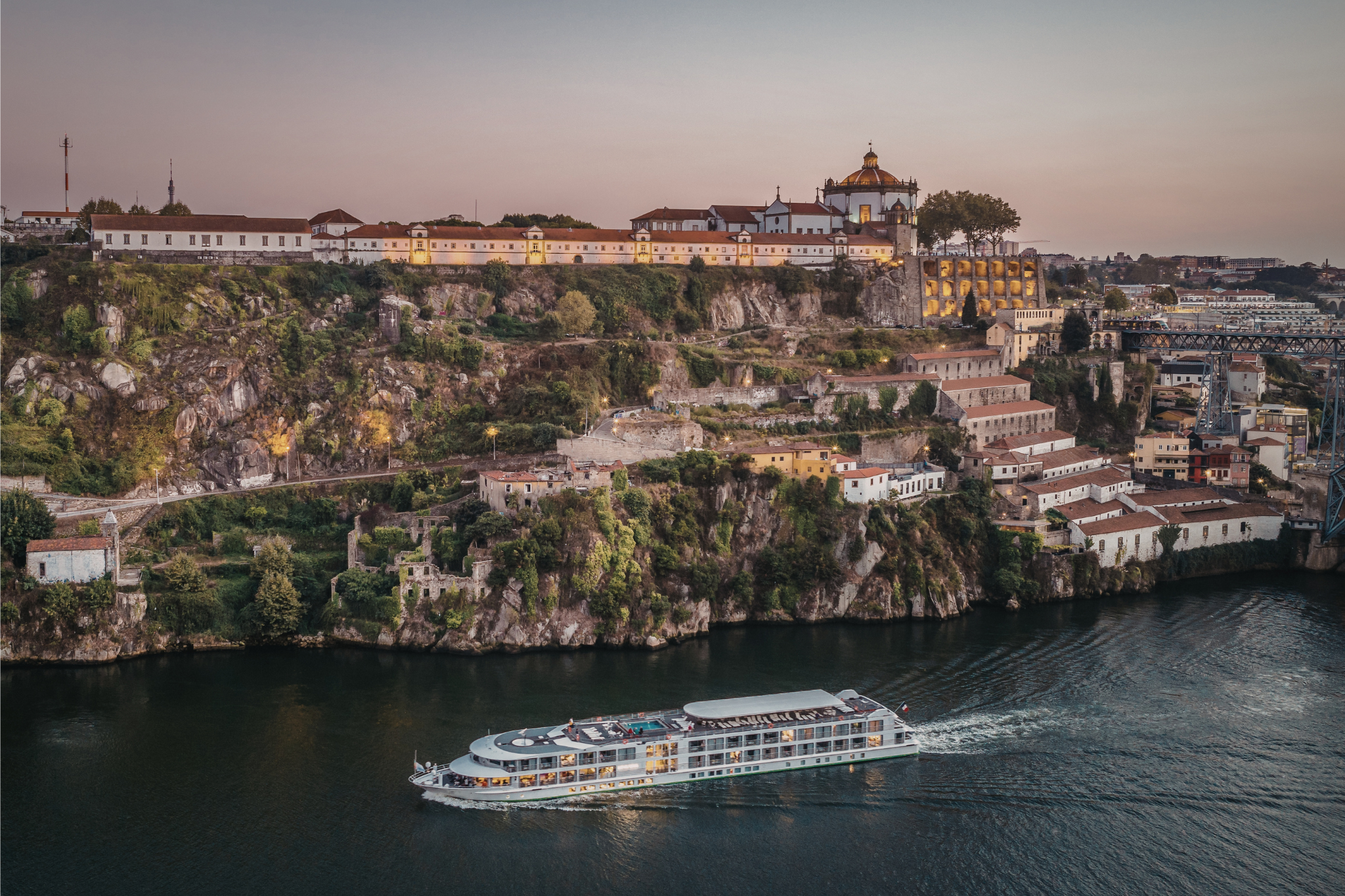
One of the biggest reasons I fell in love with river cruising, and why so many other travelers do too, is the scenery. Unlike ocean cruises, where days at sea are part of the experience, river cruises place you right in the heart of everything. You get the tranquil pace of gliding past vineyards, castles, historic towns, and landscapes that change hour by hour.
From grand capital cities to the quiet countryside, Europe’s rivers offer some of the most beautiful and immersive travel experiences out there. If scenery is a top priority, these are some of the most scenic European river cruise routes to consider.
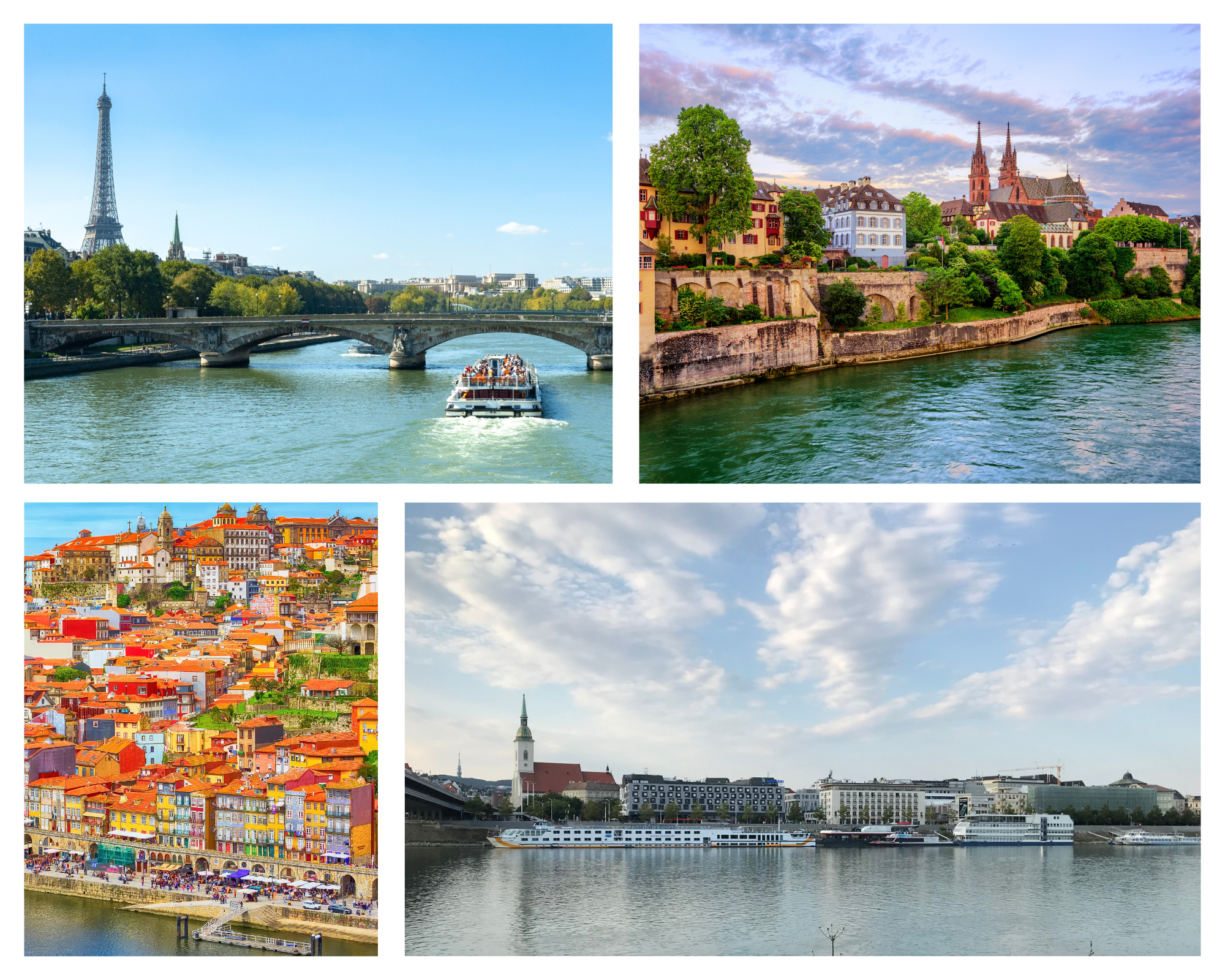
The Danube: A Classic European River Cruise
The Danube is one of the most iconic routes in river cruising, flowing through more countries than any other river on the continent. What makes it especially scenic is how dramatically the landscape changes as you sail. Grand imperial cities turn into rolling vineyards, medieval towns, and peaceful countryside, often all within the same itinerary.
This variety is a big reason I often recommend the Danube for first-time river cruisers. You're not just seeing one region of Europe, you're experiencing multiple cultures, architectural styles, and histories, with the chance to explore each one at port before the ship carries you to the next.
What Makes the Danube So Scenic
One of the highlights of a Danube river cruise is the contrast. In a single day, you might glide past forested hills, vineyard-covered valleys, and stately city skylines. The Wachau Valley is often a favorite stretch, known for its hilltop castles and terraced orchards.
Because the Danube passes directly through city centers, the scenery doesn't stop at the countryside. Watching cities like Vienna or Budapest come into view from the water offers a perspective you simply don't get when arriving by train or car.
Notable Cities and Stops Along the Route
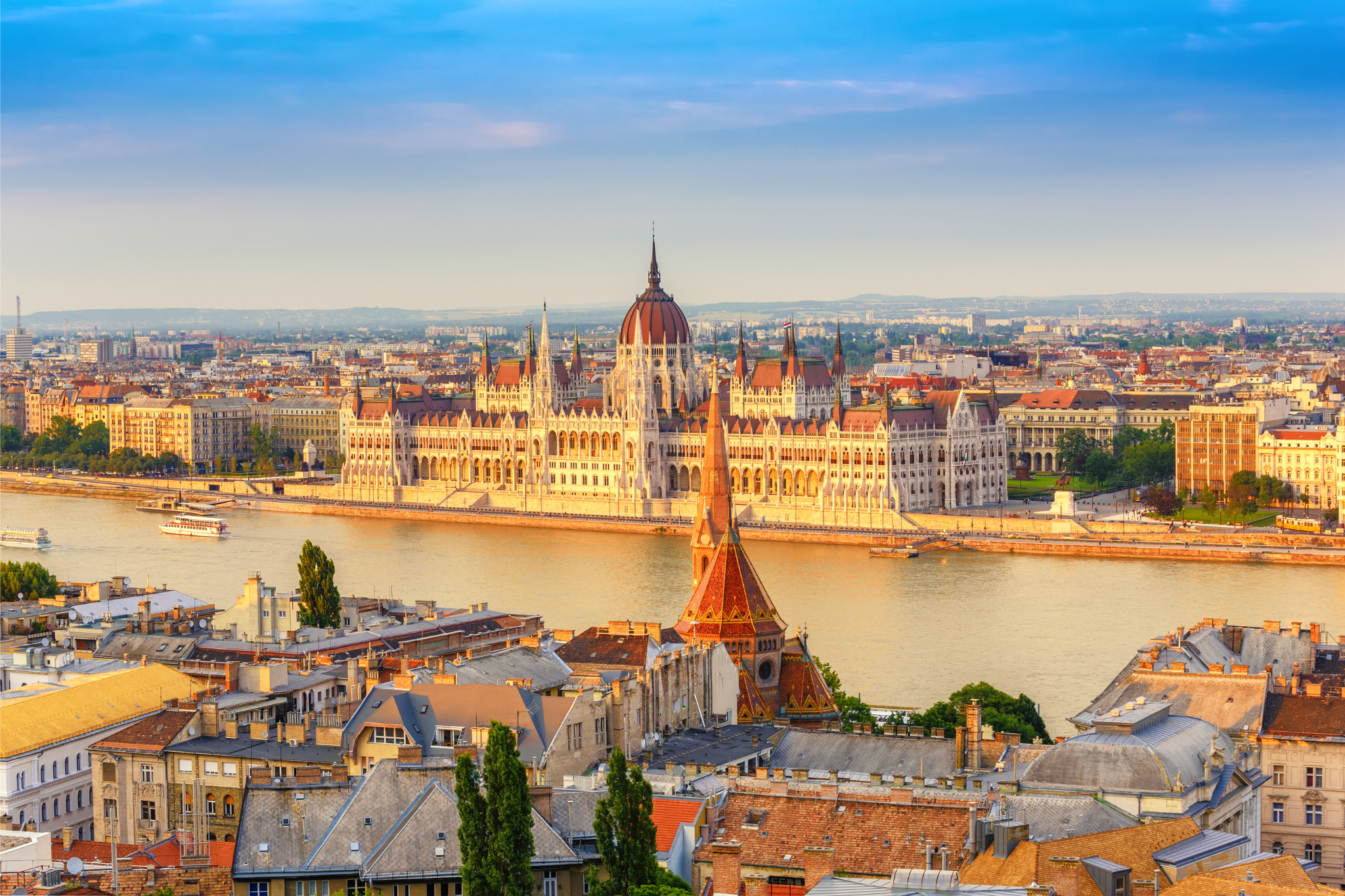
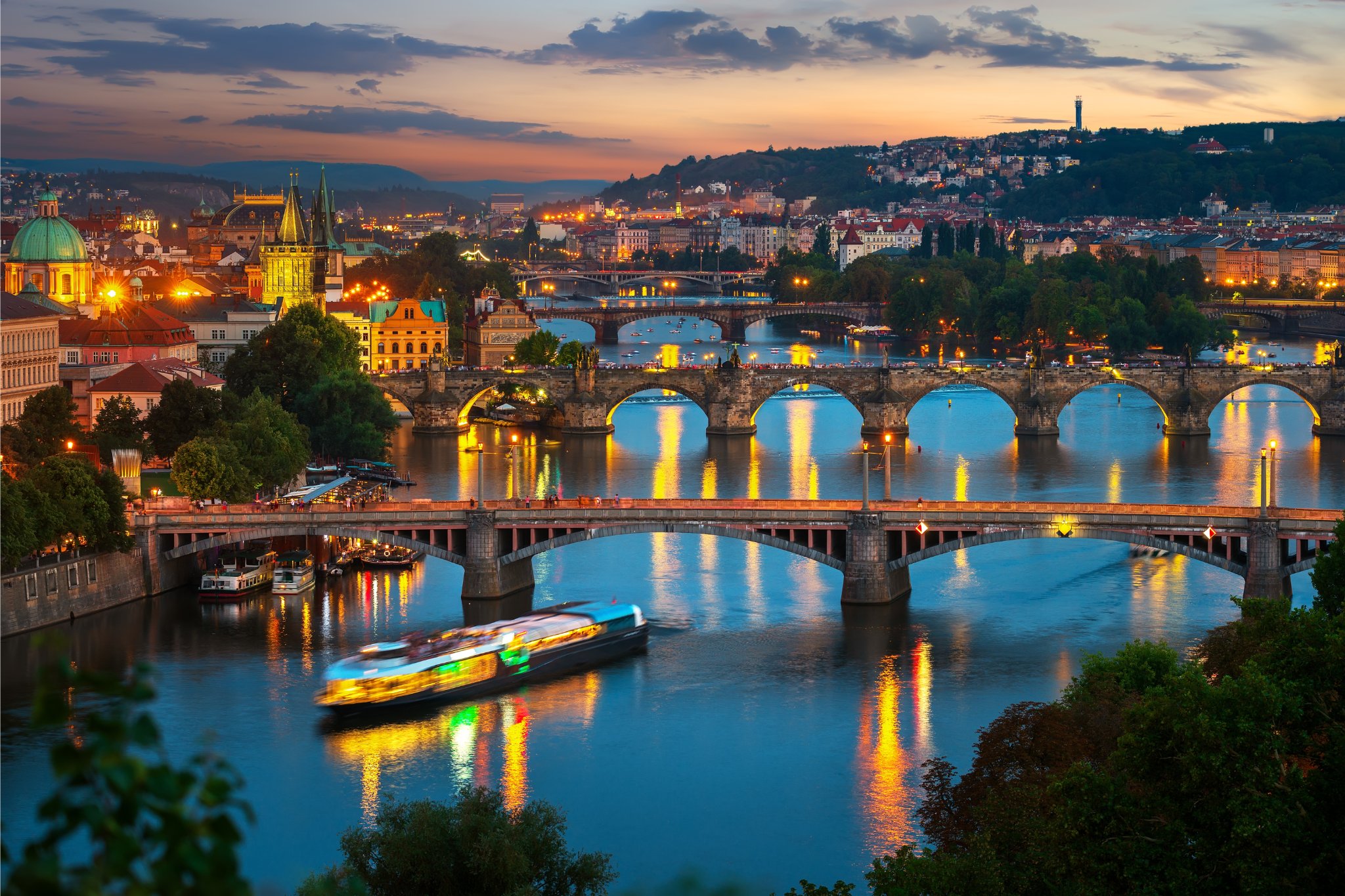
Most Danube river cruise itineraries include a mix of major capitals and smaller towns. Popular stops include Vienna, known for its classical music and imperial architecture, and Budapest, where both sides of the city create one of the most stunning nighttime skylines on any river cruise.
Other common ports include Bratislava, Passau, and Melk, home to the impressive Melk Abbey overlooking the river. These stops typically include guided walking tours, free time to explore at your own pace, and unique experiences like a wine tasting in the Wachau region or a classical concert in Vienna.
Who the Danube Is Best For
If this is your first time considering a river cruise, the Danube is often the easiest place to start. It's one of my favorite routes to recommend because the variety speaks to so many types of travelers — you might wake up in a grand capital one day and sail past vineyards and medieval towns the next. It's a broad introduction to Europe without feeling rushed.
It's also a great fit for travelers who enjoy history, architecture, and cultural depth. The landscapes and traditions shift noticeably as you move from country to country, keeping every day fresh. And because the Danube is one of the most popular routes in Europe, there's a wide range of sailing dates, ship styles, and itinerary lengths to choose from.
Planning Tips for a Danube River Cruise
When you sail the Danube can shape the experience just as much as where you stop. Spring brings blooming landscapes and fewer crowds, while fall offers vineyard harvests and warm autumn colors. December sailings are especially popular for Christmas market cruises, which focus on festive towns and seasonal traditions.
Danube river cruise itineraries vary significantly by direction and length. A shorter cruise may focus on just one region, while longer sailings cover multiple countries. This is where choosing the right itinerary, not just the river, can really shape your experience. Also, working with a travel advisor can make a real difference in knowing when the best times to travel are.
The Rhine: A Storybook European River Cruise
The Rhine is often considered the most classically scenic river cruise route in Europe. If your vision of Europe includes medieval castles perched above the water, vineyard-covered hillsides, and charming riverside towns, the Rhine delivers that postcard-perfect experience around every turn.
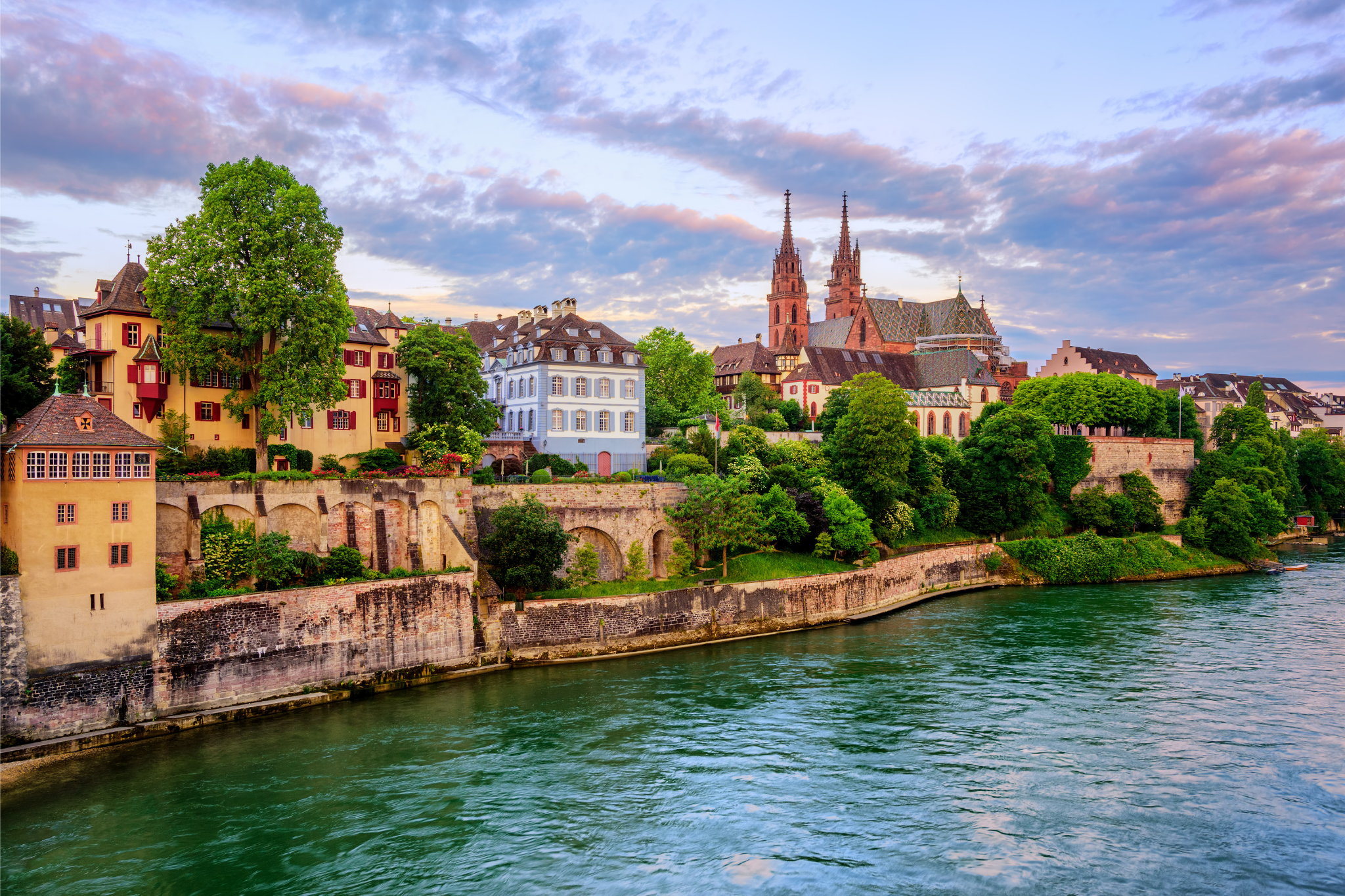
Passing through Switzerland, Germany, France, and the Netherlands, the Rhine combines dramatic natural scenery with centuries of history. It's a favorite for travelers chasing that storybook feel, the kind of scenery that looks almost too picturesque to be real.
What Makes the Rhine So Scenic
The most famous stretch of the Rhine is the Middle Rhine Valley, a UNESCO World Heritage Site known for its dramatic castles and landscapes. Along this section, steep hills rise from the riverbanks, dotted with medieval fortresses, watchtowers, and vineyard terraces.
What sets the Rhine apart is how continuous the scenery feels. Whether you're enjoying the view from the sun deck or watching castles drift by from your cabin window, the views rarely let up.
Notable Cities and Stops Along the Route
Rhine river cruise itineraries typically include a mix of historic cities and smaller wine towns. Common stops include Cologne, home to the iconic Cologne Cathedral, Strasbourg, known for its half-timbered houses and blend of French and German culture, and Basel, where the charming Swiss Old Town and Münster Cathedral make for a memorable first impression of the river.
Smaller towns like Rüdesheim and Koblenz are also popular stops. Rüdesheim, located in the heart of Germany's wine country, is one of my favorite stops on the Rhine — especially for its vineyards, wine taverns, and charming streets. Many Rhine cruises also include scenic sailing past the Lorelei Rock, a towering cliff steeped in German folklore and one of the river's most legendary landmarks. Exact stops can vary by cruise line, ship, and time of year, which is part of why comparing itineraries is so important.
Who the Rhine Is Best For
If your idea of scenic Europe includes castles rising above the river, vineyard-covered hills, and storybook towns at nearly every bend, the Rhine may feel like the most scenic river of all. It's a natural fit for travelers drawn to classic European imagery and medieval history.
Wine lovers will feel right at home here too, especially anyone interested in German Rieslings or Alsatian wines. Many of the stops are compact and walkable, making it easy to explore on your own between tastings and guided tours. And like the Danube, the Rhine is one of the most popular routes in Europe, so there's a wide range of ships, sailing dates, and itinerary styles to choose from.
Planning Tips for a Rhine River Cruise
Some Rhine cruises focus heavily on Germany's castle-lined stretches, while others include time in France, the Netherlands, or Switzerland. The direction of travel and the specific ports included can completely change the feel of the cruise, so it's worth looking closely at the itinerary rather than just the river name.
If timing is flexible, fall sailings are a standout on the Rhine. The wine harvest brings tastings and festivals into the mix, and the autumn colors along the vineyard-covered hillsides are hard to beat.
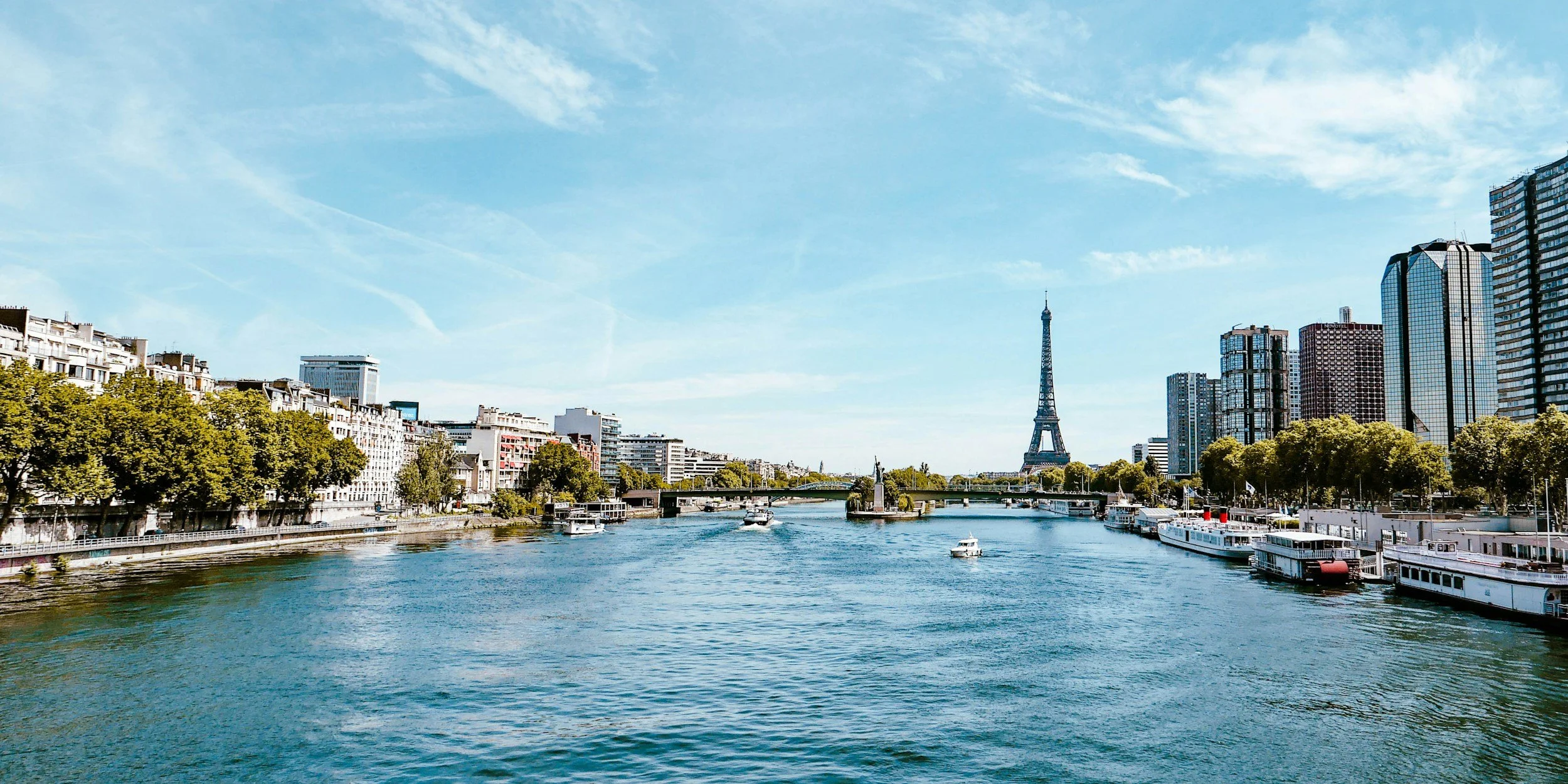
The Seine: An Artistic European River Cruise
The Seine offers a very different kind of river cruise experience—one that feels gentle, artistic, and deeply rooted in French culture. Rather than dramatic elevation changes or castle-lined cliffs, the scenery along the Seine unfolds slowly, with graceful river bends, pastel villages, and wide-open countryside leading all the way into the heart of Paris.
For travelers who value atmosphere just as much as landmarks, a Seine river cruise delivers a sense of calm and immersion that's hard to match.
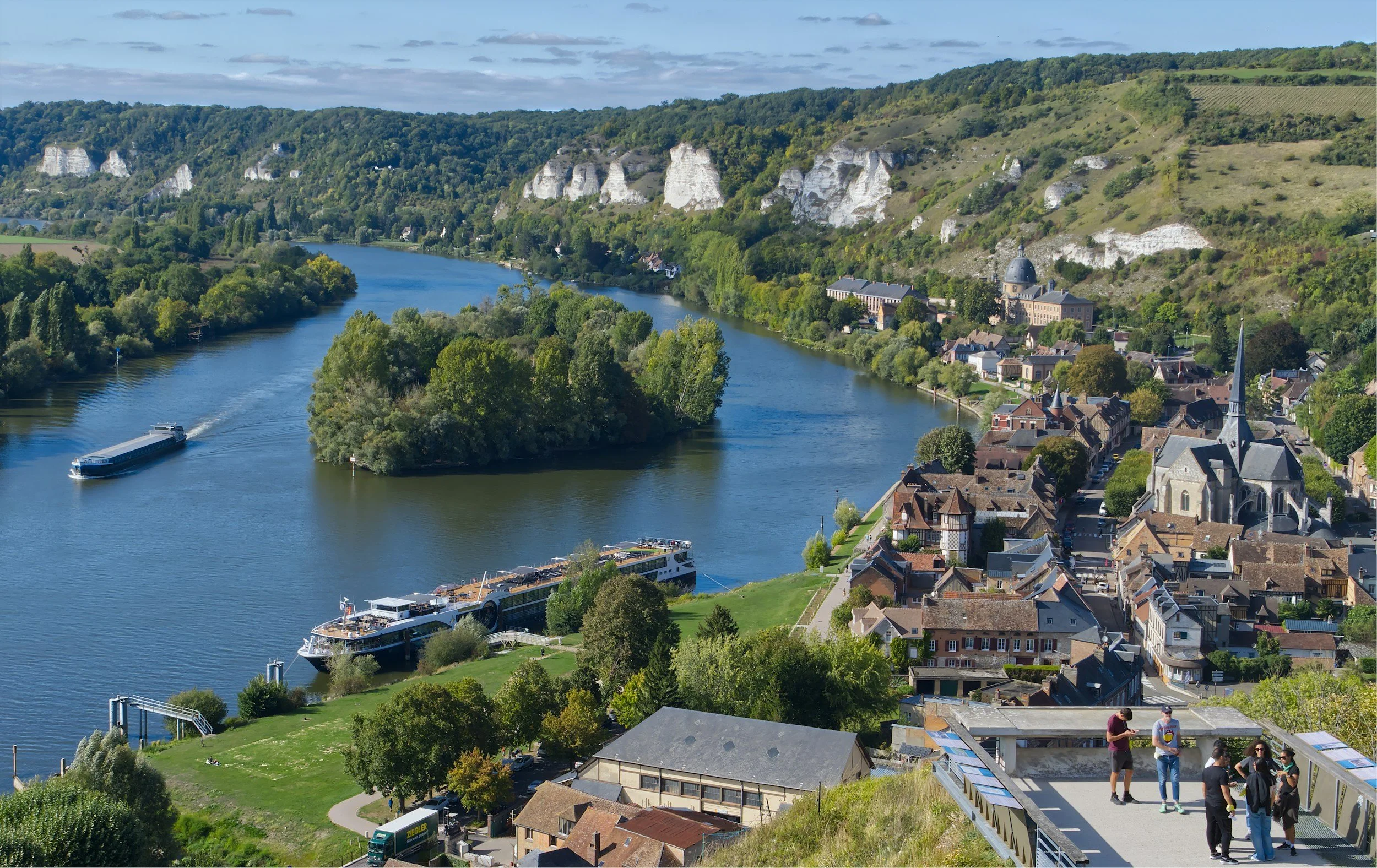
What Makes the Seine So Scenic
The beauty of the Seine lies in its softness. As you sail through Normandy and northern France, the landscape feels intimate–rolling green fields, riverside paths, church spires, and half-timbered homes appear almost effortlessly along the water's edge.
One of the most memorable moments of a Seine cruise is arriving in Paris. Watching the Eiffel Tower and historic bridges come into view from the water offers a perspective that feels both iconic and peaceful.
Notable Cities and Stops Along the Route
Most Seine river cruises begin or end in Paris, with additional stops in towns throughout Normandy. Rouen is a common highlight, known for its medieval architecture, Gothic cathedral, and strong connection to French history.
Many itineraries also include a visit to Honfleur, one of my favorite stops on the Seine—a charming harbor town that has inspired artists for centuries. Excursions to nearby sites like the Normandy beaches or Monet's gardens in Giverny add another layer of cultural history and artistic depth to the experience.
Who the Seine Is Best For
The Seine is a wonderful choice for travelers who are looking for a peaceful, atmospheric, and cultural river cruise. If you enjoy slower travel, artistic inspiration, and a deep sense of place, this river delivers.
It's especially appealing for travelers who love French culture, art, and cuisine, and who prefer spending more time in fewer destinations rather than covering a lot of ground. The route stays entirely within France, so instead of hopping between countries, you get to settle into one culture and really experience it. If you value elegance, charm, and quiet moments on the water, the Seine's understated beauty may resonate most with you.
Planning Tips for a Seine River Cruise
Seine cruises are typically shorter than those on the Danube or Rhine, making them a great option for travelers pairing a river cruise with additional time elsewhere in France or Europe. This also makes the Seine a strong choice if you're newer to river cruising and want to start with a shorter sailing.
If timing is flexible, spring and early fall are particularly lovely, when gardens are in bloom and the countryside is lush. Summer offers long daylight hours but tends to be busier, especially in Paris. Choosing the right itinerary can help balance time in the city with quieter countryside stops for a well-rounded experience.
The Douro: A Dramatic European River Cruise
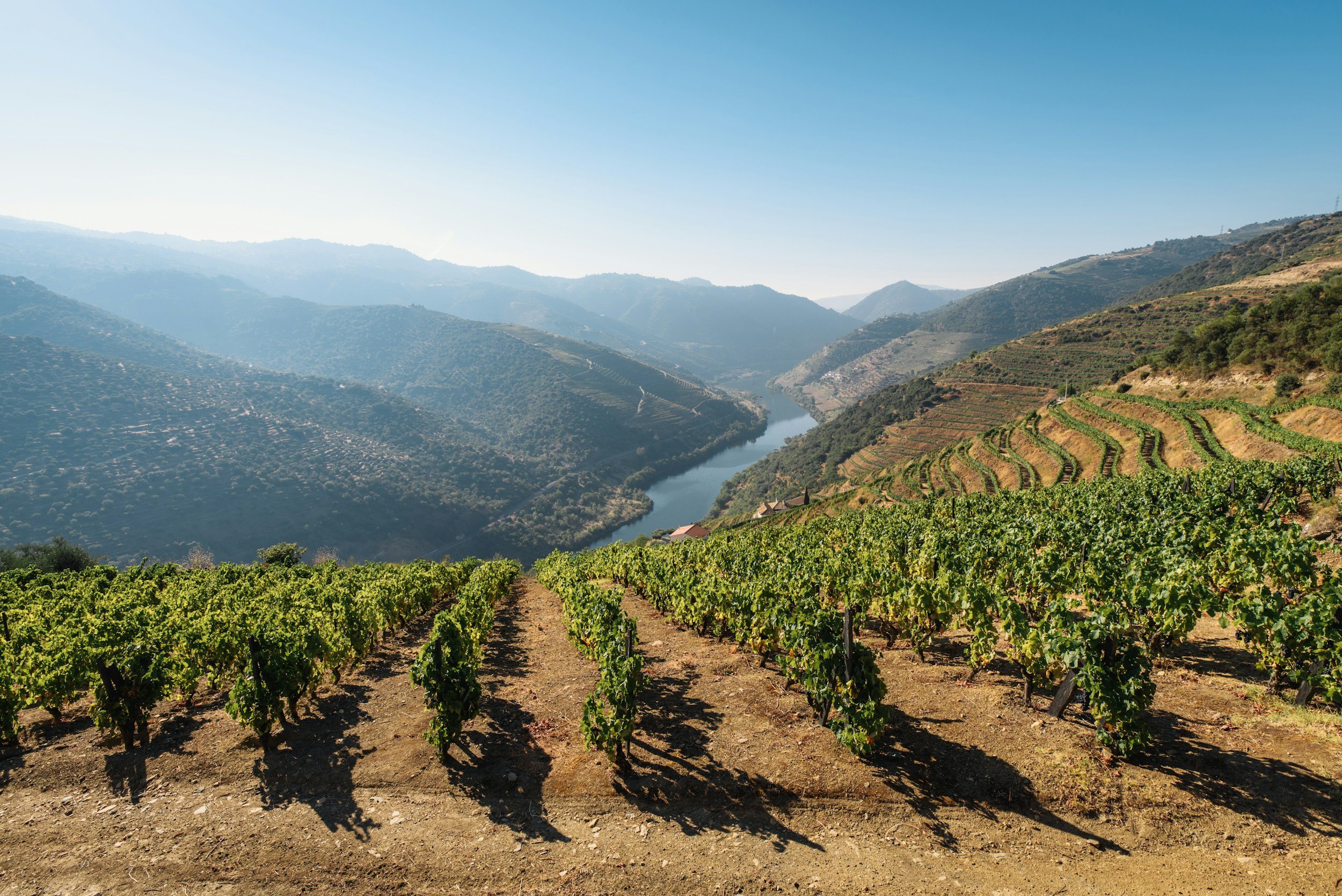
The Douro River offers some of the most dramatic scenery of any European river cruise. Flowing through northern Portugal, this route winds through the heart of the Douro Valley, a UNESCO World Heritage Site known for its steep terraced vineyards, rugged hillsides, and deep connection to centuries-old winemaking traditions.
Compared to Europe's more heavily traveled rivers, the Douro feels quieter and more remote, making it a great choice for travelers looking for a scenic experience that feels both distinctive and laid back.
What Makes the Douro So Scenic
What sets the Douro apart is its dramatic terrain. The river cuts through a landscape shaped almost entirely by human hands, with stone terraces stacked along the hillsides to support vineyards that produce the region's famous port and table wines.
As you cruise, the scenery feels expansive and raw. Vineyards stretch across every hillside, interrupted only by small villages, wine estates, and the occasional train line hugging the riverbank. In warmer months, the hills glow in shades of green and gold, creating some of the most striking river views in Europe.
Notable Cities and Stops Along the Route
Most Douro river cruises begin or end in Porto, one of my favorite cities in Portugal. It’s vibrant, colorful, and home to the historic port wine cellars along the riverfront. If you're thinking about extending your trip beyond the cruise, my Portugal itinerary is a great place to start. From there, ships travel inland to smaller towns like Régua and Pinhão, where the pace slows and the focus turns to wine, local culture, and the surrounding landscape.
Shore excursions often include vineyard visits, wine tastings, and scenic drives through the Douro Valley, giving travelers a deeper understanding of how closely the region's culture is tied to the river itself.
Who the Douro Is Best For
If dramatic landscapes are what stop you in your tracks, the Douro stands out. The terraced vineyards, rugged hillsides, and slower pace create an experience that feels deeply connected to the land—bold, expansive, and far from the well-worn tourist path.
It's particularly appealing to wine lovers and travelers interested in regional traditions. This route often resonates with those who have already visited Europe's major cities and are looking for something quieter, more immersive, and centered on scenery and culture rather than urban sightseeing.
Planning Tips for a Douro River Cruise
Douro cruises often involve more sailing time and fewer ports than rivers like the Rhine or Danube, which is part of their appeal. The focus is on the scenery and wine-focused excursions rather than hopping between cities, so it helps to go in expecting a slower rhythm.
Cruising season on the Douro is also more limited, making advance planning especially important. Spring offers fresh green landscapes, while fall coincides with the grape harvest and brings warm golden tones to the valley — both are beautiful, but fall is especially popular and books up quickly.
The Rhône: A Sun-Soaked European River Cruise
The Rhône River flows through some of the most colorful and flavorful regions of southern France, offering scenery that feels warm, vibrant, and distinctly Mediterranean. This route blends vineyard landscapes, historic towns, and sun-soaked countryside with a strong emphasis on food, wine, and regional culture.
For travelers drawn to Provence, French cuisine, and slower-paced days spent soaking in the atmosphere, the Rhône delivers a deeply sensory river cruise experience.

What Makes the Rhône So Scenic
The scenery along the Rhône is defined by contrast and color. As you sail, you'll pass rolling vineyards, olive groves, lavender fields when in season, and stone villages that seem perfectly placed against the landscape. The river winds through regions where life is lived outdoors—cafés that spill onto sidewalks, markets brimming with local produce, and the pace feels relaxed and inviting.
Unlike the dramatic cliffs of the Rhine or the rugged hills of the Douro, the Rhône's beauty feels expansive and sunlit, with wide-open views that reflect the warmth of southern France.
Notable Cities and Stops Along the Route
Rhône river cruises often include stops in Lyon, widely regarded as the culinary capital of France. From there, itineraries typically continue south to towns like Avignon, famous for its medieval Papal Palace, and Arles, known for its Roman ruins and connection to Vincent van Gogh.
Many sailings also include excursions into Provence, where travelers explore the lavender fields, historic villages, and local markets. These ports offer a wonderful mix of guided experiences and free time to wander at your own pace.
Who the Rhône Is Best For
The Rhône is an excellent choice for travelers drawn to food, wine, and sun-soaked landscapes. If Provence has long been on your list, this river offers a beautiful way to experience the region without constant packing and unpacking.
The scenery feels relaxed and colorful, with a strong sense of local life unfolding along the riverbanks. It's especially appealing for travelers who want to immerse themselves deeply in one region rather than cover multiple countries. If your idea of scenic travel includes leisurely meals, charming towns, and a Mediterranean feel, the Rhône may be the most appealing route of all.
Planning Tips for a Rhône River Cruise
Rhône itineraries vary in length and often combine river cruising with overland excursions into Provence, so it's worth looking closely at what's included—especially food and wine focused experiences—to make sure the cruise matches your interests.
Late spring and early summer are especially popular times to sail the Rhône, when the countryside is lush and colorful. Summer offers warm weather and lively towns, while early fall brings grape harvests and fewer crowds. No matter the season, the warmth of southern France tends to come through.
The Moselle: A Hidden Gem European River Cruise
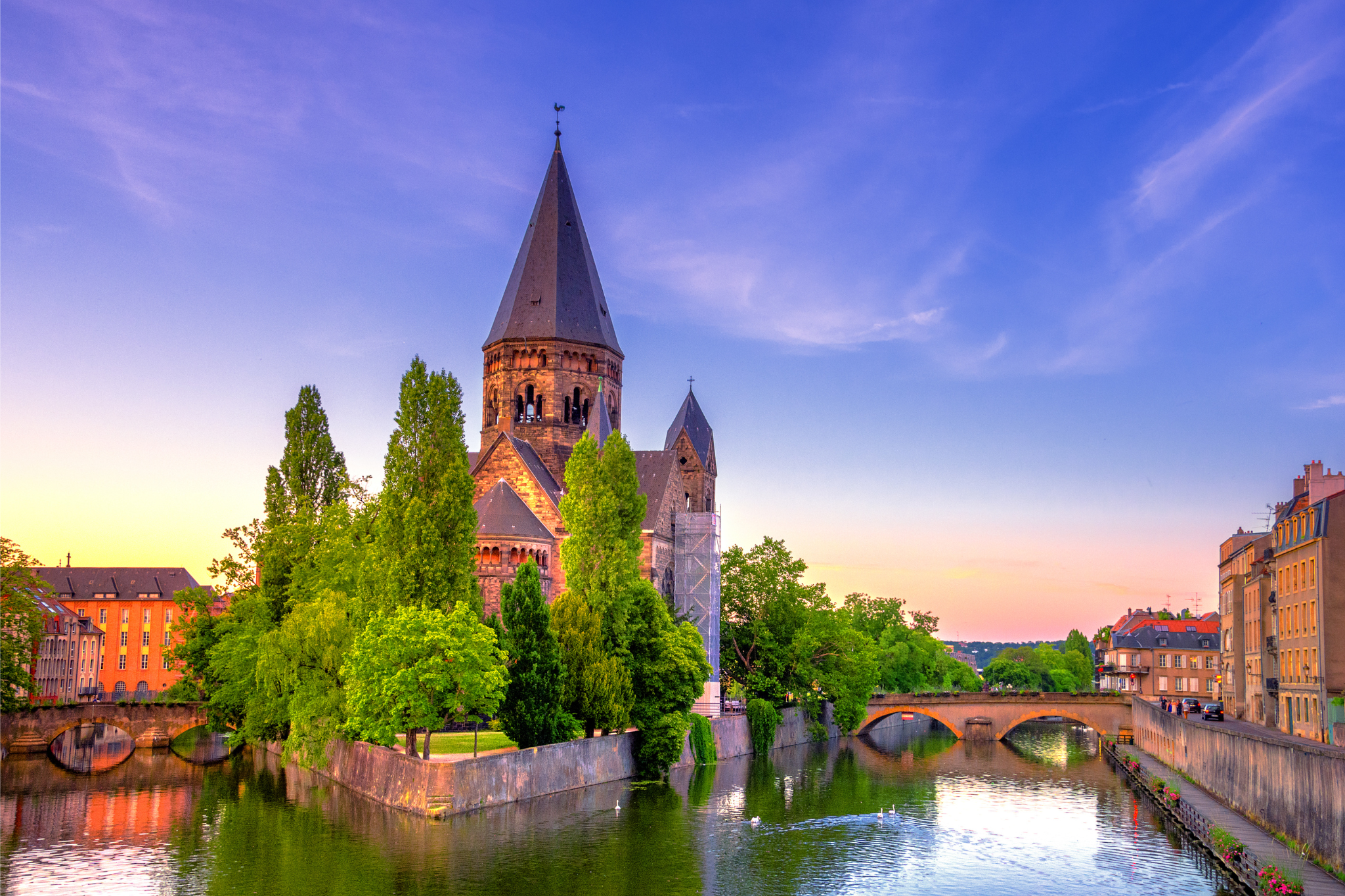
The Moselle River is often described as one of Europe's most charming and romantic river cruise routes. A tributary of the Rhine, the Moselle winds gently through Germany, France, and Luxembourg, carving its way through steep vineyard slopes, storybook villages, and some of the most picturesque wine country in Europe.
Compared to the grand scale of the Rhine, the Moselle feels quieter, more intimate, and deeply rooted in regional tradition—a favorite for travelers who value charm and atmosphere over spectacle.
What Makes the Moselle So Scenic
The Moselle is famous for its dramatic river bends and impossibly steep vineyards that rise straight from the water's edge. These slopes produce some of the world's most renowned Riesling wines, and the scenery reflects centuries of careful cultivation.
As you cruise, the river curves through narrow valleys speckled with half-timbered houses, medieval watchtowers, and hilltop castles. The pace is gentle, and the scenery feels close and personal—perfect for travelers who love taking a slow pace and watching life unfold along the riverbanks.
Notable Cities and Stops Along the Route
Moselle river cruise itineraries often include stops in postcard towns like Cochem, with its fairy-tale castle overlooking the river, and Bernkastel-Kues, known for its timber-framed buildings and wine taverns.
Many cruises also visit Trier, Germany's oldest city, where Roman ruins including a massive stone gate offer a fascinating contrast to the region's quaint villages. Shore excursions here tend to focus on walking tours, wine tastings, and local history.
Who the Moselle Is Best For
If your idea of scenic travel includes vineyard views and charming villages rather than large cities, the Moselle may be the river cruise for you. It's a wonderful alternative to the Rhine for travelers who have already done the classic route or who simply prefer something quieter and more intimate.
Wine lovers will especially appreciate this river—the Moselle Valley is one of the best places in the world to experience Riesling in the region where it thrives. And the casual pace makes it ideal for travelers who enjoy leisurely walks through small towns and relaxed afternoons with a glass of wine.
Planning Tips for a Moselle River Cruise
Moselle cruises are often combined with Rhine itineraries, creating a balance between dramatic castles and softer countryside scenery. If you've already fallen in love with the Rhine, adding the Moselle is one of the best ways to extend that experience.
Because the Moselle is narrower and more winding than many other rivers, ships move at a slower pace—I find this adds to the overall charm. Spring and early fall are particularly lovely, offering lush vineyards and fewer crowds. Choosing an itinerary that includes multiple Moselle ports allows you to fully appreciate the region's relaxed rhythm and wine-focused culture.
Finding the Right European River Cruise for You
One of the things that makes river cruising so special is that there's no single "best" option, only the one that fits you best. Some rivers wow you with dramatic scenery—the castle-lined shores of the Rhine, the steep vineyard terraces of the Douro, the ever-changing landscapes of the Danube. Others draw you in with atmosphere and charm—the quiet elegance of the Seine, the sun-soaked warmth of the Rhône, the intimate villages of the Moselle. Each offers its own version of scenic travel.
The right river for you comes down to what kind of scenery moves you, how you like to travel, and what kind of experience you're looking for. That's exactly the kind of thing I love helping travelers figure out. If you're considering a European river cruise, I'm always happy to talk through the options—sometimes all it takes is a quick conversation to stop dreaming and just go.