Is It Safe to Travel to Mexico Right Now? Travel Advisories & Safety Guide
After the dramatic takedown of a major cartel leader in February 2026 and the wave of violence that followed, "is Mexico safe?" shot to the top of every traveler's search bar. If you've got a trip on the books—or you've been going back and forth about booking a trip to Mexico —you're not alone in feeling uneasy right now.
Here's the thing: the headlines are real, but they don't tell the full story. Mexico is the size of Western Europe, and safety varies wildly by region. Some states carry "Do Not Travel" warnings—others, including the destinations most tourists actually visit, hold the same safety rating as France and the UK. Cartel violence, while serious, is overwhelmingly territorial and rarely targets tourists. Nearly 48 million people visited Mexico in 2025, and the vast majority came home with nothing but good memories.
But you don't need vague reassurances—you need specifics. In this guide, I break down the latest U.S. State Department advisories, what actually happened in February, and how fast things stabilized, and whether destinations like Cancun, Cabo, Puerto Vallarta, Mexico City, and Tulum are safe right now. Plus, the practical safety tips that actually matter on the ground.
Whether you're planning a solo trip or debating whether to cancel your family's spring break, this guide has you covered.
What Happened in Mexico in February 2026?
You've probably already seen the headlines. On February 22, Mexican military forces killed "El Mencho," the leader of the country's most powerful cartel, triggering coordinated retaliation across more than 20 states—highway blockades, burned vehicles, cancelled flights, and shelter-in-place orders from the U.S. Embassy.
But here's what matters for travelers: it was over fast. By February 25, the embassy lifted all restrictions and confirmed normal operations had resumed. The violence was concentrated in western and central Mexico—popular tourist destinations like Cancun, the Riviera Maya, and Los Cabos saw no direct impact, while cities like Mexico City and Oaxaca experienced heightened security but no major disruptions in tourist areas. That said, the disruption was very real for people who were there or had trips planned. Flights to Puerto Vallarta and Guadalajara were cancelled, travelers had to reroute on the fly, and I had to reroute some of my own clients who were headed to Puerto Vallarta. That panic was justified in the moment.
El Mencho's death has left a power vacuum, and experts expect some instability as factions compete for control. But that instability is expected in the same inland and border regions that already carried high-level warnings long before February — not in Cancun, not in Cabo, and not in the tourist corridors where the vast majority of travelers are headed.
Current Mexico Travel Advisories & Warnings

Here's something that might surprise you: not a single state-level advisory rating changed because of February. The Level 4 "Do Not Travel" warnings on states like Sinaloa and Guerrero? Those have been in place since 2018. The Level 2 ratings on Cancun, Cabo, and Mexico City? Unchanged. The embassy issued temporary shelter-in-place alerts during the three-day spike, but those were lifted by February 25 and the underlying ratings stayed exactly where they were.
The U.S. Department of State travel advisory rates every Mexican state individually on a four-level scale: Level 1 (exercise normal precautions), Level 2 (exercise increased caution), Level 3 (reconsider travel), and Level 4 (do not travel). The overall Mexico travel warning sits at Level 2—the same advisory level as France, Italy, and the United Kingdom.
The problem is that most people see "Mexico" and one rating and assume it applies everywhere. It doesn't. A single state gets one number even when it contains cities that are polar opposites in safety. Jalisco is Level 3, but Puerto Vallarta has lower crime rates than most U.S. beach towns. Guanajuato is Level 3, but San Miguel de Allende is one of the safest cities in North America. Context matters.
Here's how things currently break down:
Level 1 — Exercise Normal Precautions: Yucatán and Campeche. These are the safest-rated states in the country. Mérida, the capital of Yucatán, consistently tops safety rankings across all of Latin America.
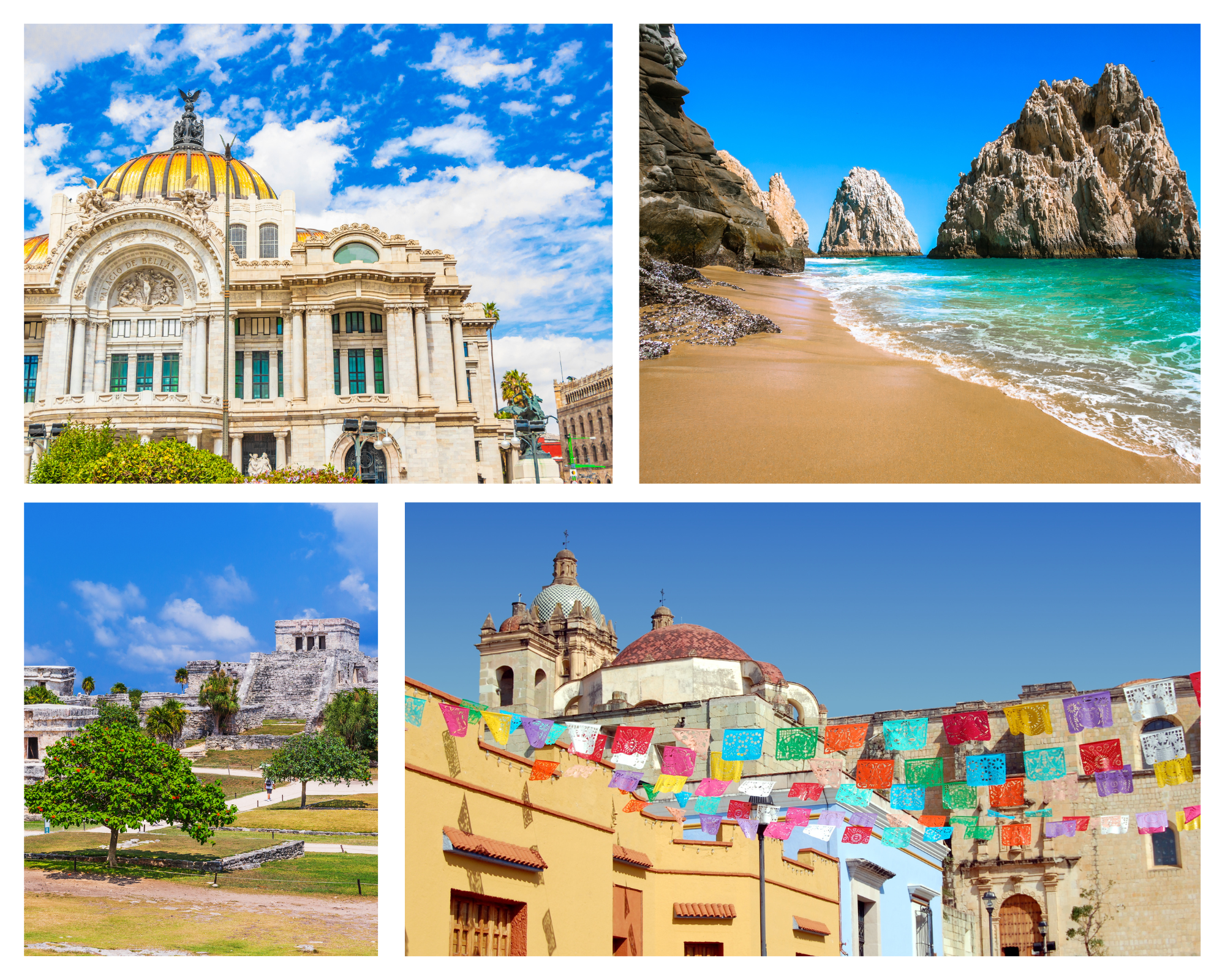
Level 2 — Exercise Increased Caution: This is where most popular tourist destinations fall—Quintana Roo (Cancun, Tulum, Playa del Carmen), Baja California Sur (Cabo, La Paz), Mexico City, Oaxaca, and Nayarit (Sayulita, Riviera Nayarit). Again, this is the same level as most of Western Europe.
Level 3 — Reconsider Travel: States like Jalisco, Guanajuato, Chihuahua, Baja California, and Chiapas. These require more caution, but some contain popular tourist areas that operate safely—San Miguel de Allende in Guanajuato being the best example. Puerto Vallarta in Jalisco is back up and running, but since it sits in the state that was the epicenter of the February events, I'd recommend monitoring conditions closely and checking the latest State Department guidance before booking.
Level 4 — Do Not Travel: Sinaloa, Tamaulipas, Guerrero (including Acapulco), Colima, Michoacán, and Zacatecas. These have carried this rating for years—long before February. Avoid them for tourism entirely.
My advice: stick to Level 1 and Level 2 destinations for a worry-free trip. If you're considering a Level 3 state, do your homework on the specific city—the state rating alone doesn't tell the full story.
Safest Places to Visit in Mexico Right Now
So where should you actually go? Here are the destinations I'm confidently recommending to my own clients right now, along with a couple that need a closer look.
Is Cancun Safe Right Now?
Advisory Level: 2 | Status: Business as usual
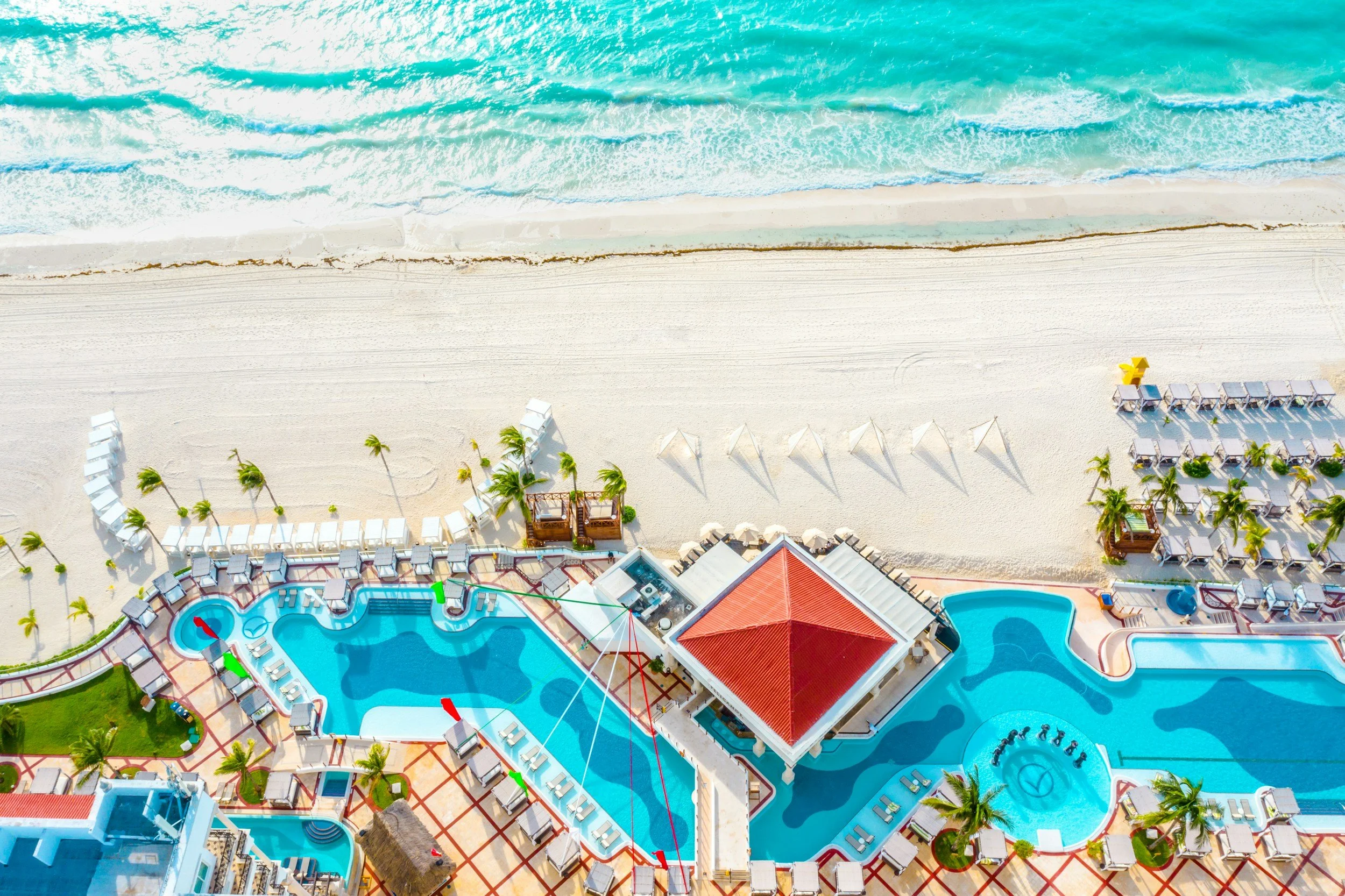
This is the safest bet in Mexico right now, full stop. Cancun's airport stayed open throughout the February events — though there were flight delays and cancellations due to crew logistics being disrupted elsewhere in the country. The tourist zones were never targeted, and the U.S. Embassy confirmed Quintana Roo returned to normal within 24 hours. The area has a heavy tourism police and National Guard presence, and the state government treats visitor security as its top priority. Cancun, Playa del Carmen, and Isla Mujeres are all operating normally.
Cabo San Lucas Travel Advisory: What to Know
Advisory Level: 2 | Status: Completely unaffected
If you're wondering whether Cabo San Lucas is safe right now, the answer is a confident yes. Baja California Sur's geographic isolation on the peninsula makes it one of the most insulated destinations in Mexico. The February events had zero impact here. Cabo is currently rated the safest destination in Mexico by active travelers, and the resort corridor between Cabo and San José del Cabo is as secure as it gets. The biggest safety concern is honestly the ocean — currents can be strong, so pay attention to beach flags. If you want maximum peace of mind, this is where I'd send you.
Puerto Vallarta Safety Update
Advisory Level: 3 (Jalisco) | Status: Stabilizing — proceed with caution
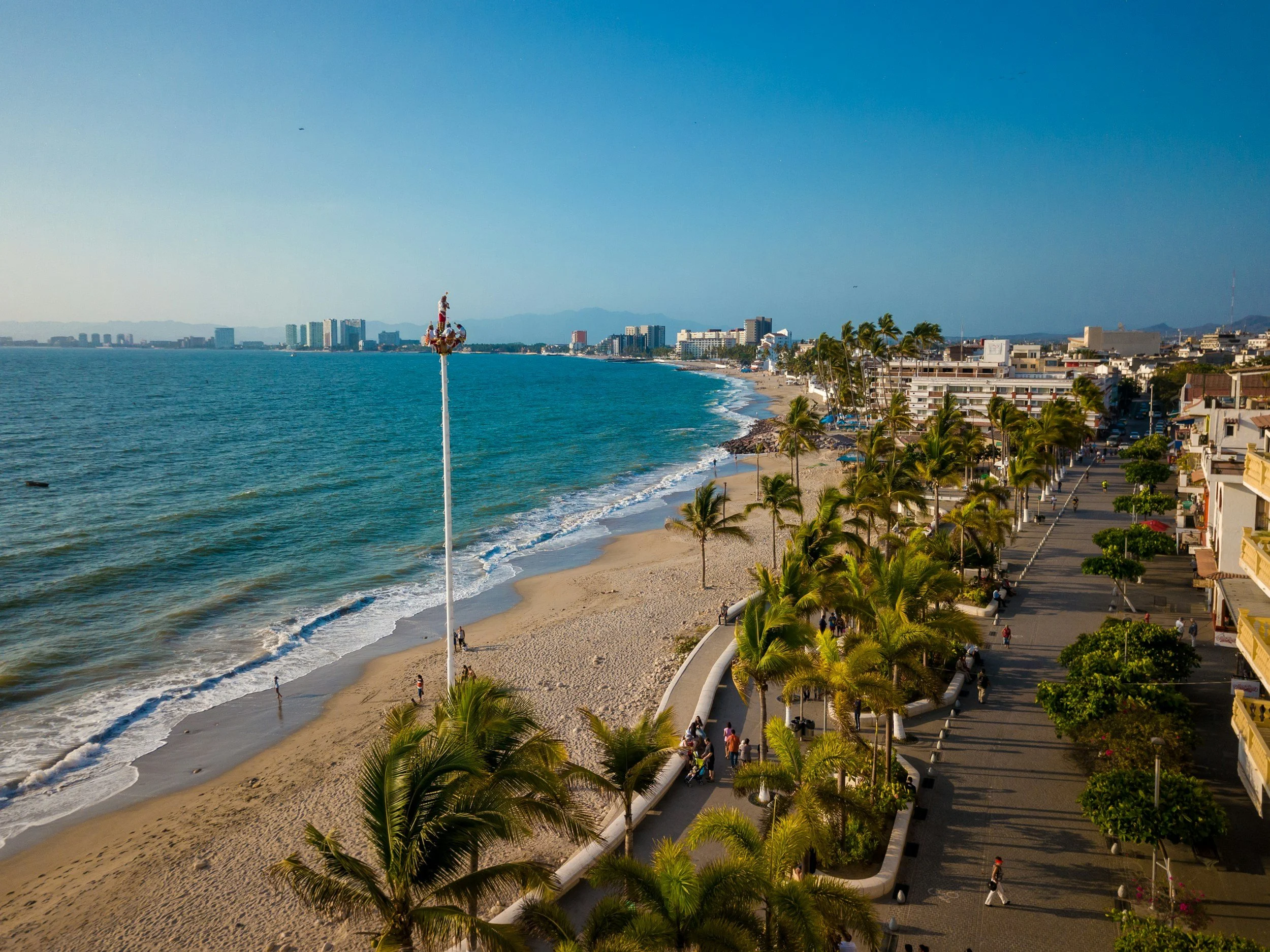
I want to be straight with you on this one. Is Puerto Vallarta safe right now? It's functional and stabilizing, but it deserves more caution than the other destinations on this list. Puerto Vallarta is a beautiful destination and it's back up and running — flights have resumed, hotels are open, and the beaches and Malecón are active again. Extra security forces have been deployed to the area. But Jalisco was the epicenter of the February events, and the state carries a Level 3 advisory. Travelers report things are quieter than usual, and there have been noticeable cancellations. The broader Jalisco region is also getting a security buildup ahead of the World Cup, with Guadalajara set to host matches this summer.
If you have a trip booked, I wouldn't panic — but I would monitor the State Department's guidance closely leading up to your departure and have a backup plan. If you haven't booked yet and you're on the fence, a Level 2 destination might give you more peace of mind right now. Riviera Nayarit (Nuevo Vallarta, Sayulita, Punta de Mita) is just north of PV but sits in Nayarit state, which holds a Level 2 rating — similar vibes, lower advisory level.
Is Mexico City Safe for Tourists?
Advisory Level: 2 | Status: Normal operations
Short answer: yes, Mexico City is safe for tourists right now. The city holds a Level 2 rating — the same as most European capitals — and its tourist areas were not affected by the February unrest, though the city did see a heightened security presence in the days that followed. Neighborhoods like Roma, Condesa, Polanco, and Coyoacán are well-patrolled and popular with international visitors. The city also has women-only subway cars and buses, which is a plus for solo female travelers. Standard big-city precautions apply — use Uber or DiDi instead of street taxis, stay aware of your surroundings, and avoid flashing valuables. With the World Cup coming to Estadio Azteca this summer, the city is getting a significant security upgrade as well.
Tulum & the Riviera Maya: Safe to Visit?
Advisory Level: 2 | Status: Normal operations
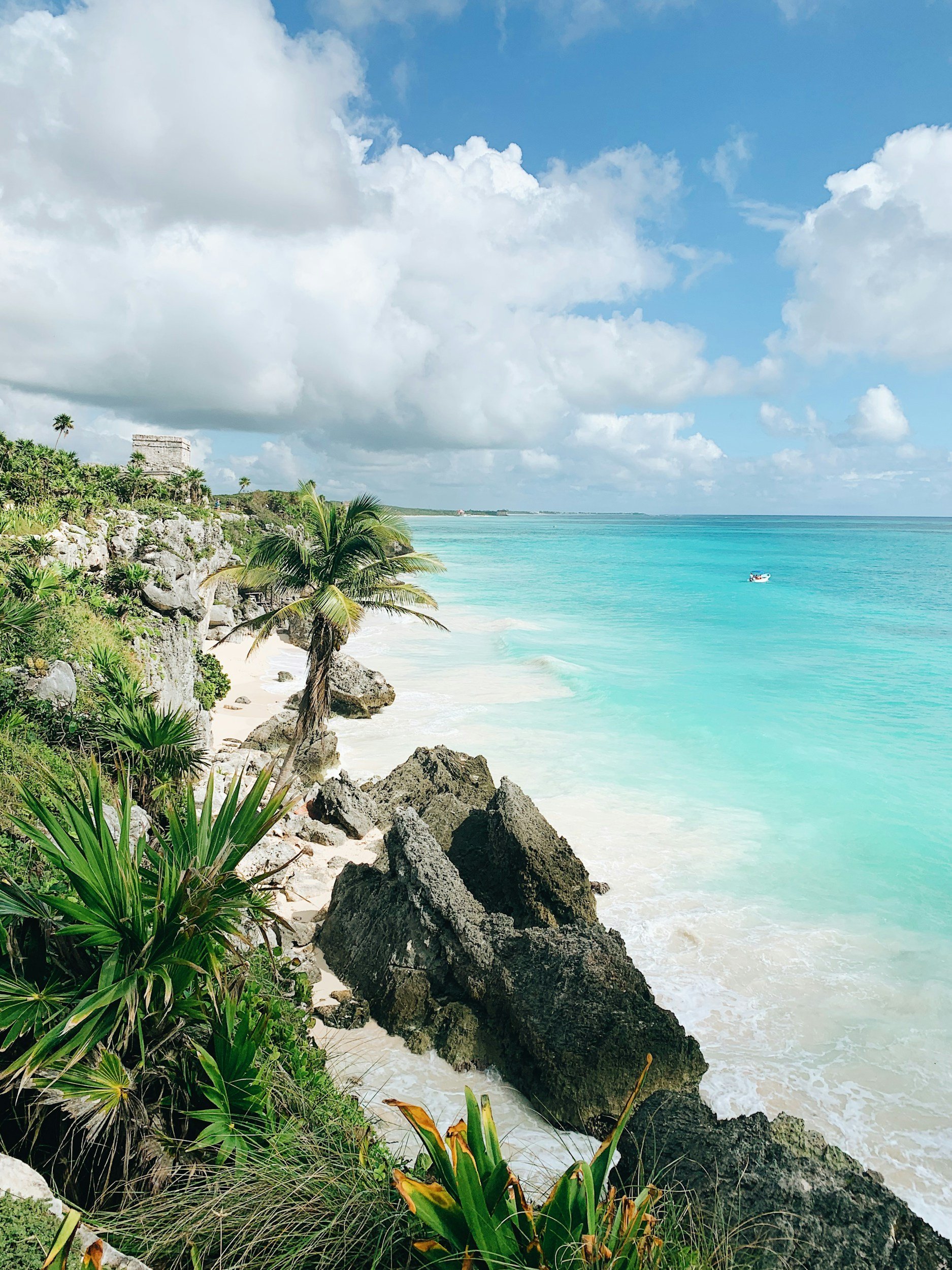
If you're asking whether Tulum and the Riviera Maya are safe right now — yes, for the most part. The Riviera Maya resort corridor remains one of the most secure tourist zones in the country and was completely unaffected by the February events. That said, it's worth being honest about Tulum specifically. There is a cartel presence in the area — as security analysts have noted, that presence is mostly focused on extorting local businesses like hotels and restaurants, not on targeting tourists directly. But Tulum's growing party scene has seen some drug-related incidents, and there have been rare cases of bystanders caught in the wrong place at the wrong time. Stick to well-lit tourist areas and hotel zones, especially after dark, and you'll significantly reduce any risk. Playa del Carmen and the broader Riviera Maya are operating normally with strong tourism infrastructure.
Mérida & the Yucatán
Advisory Level: 1 | Status: The safest state in Mexico
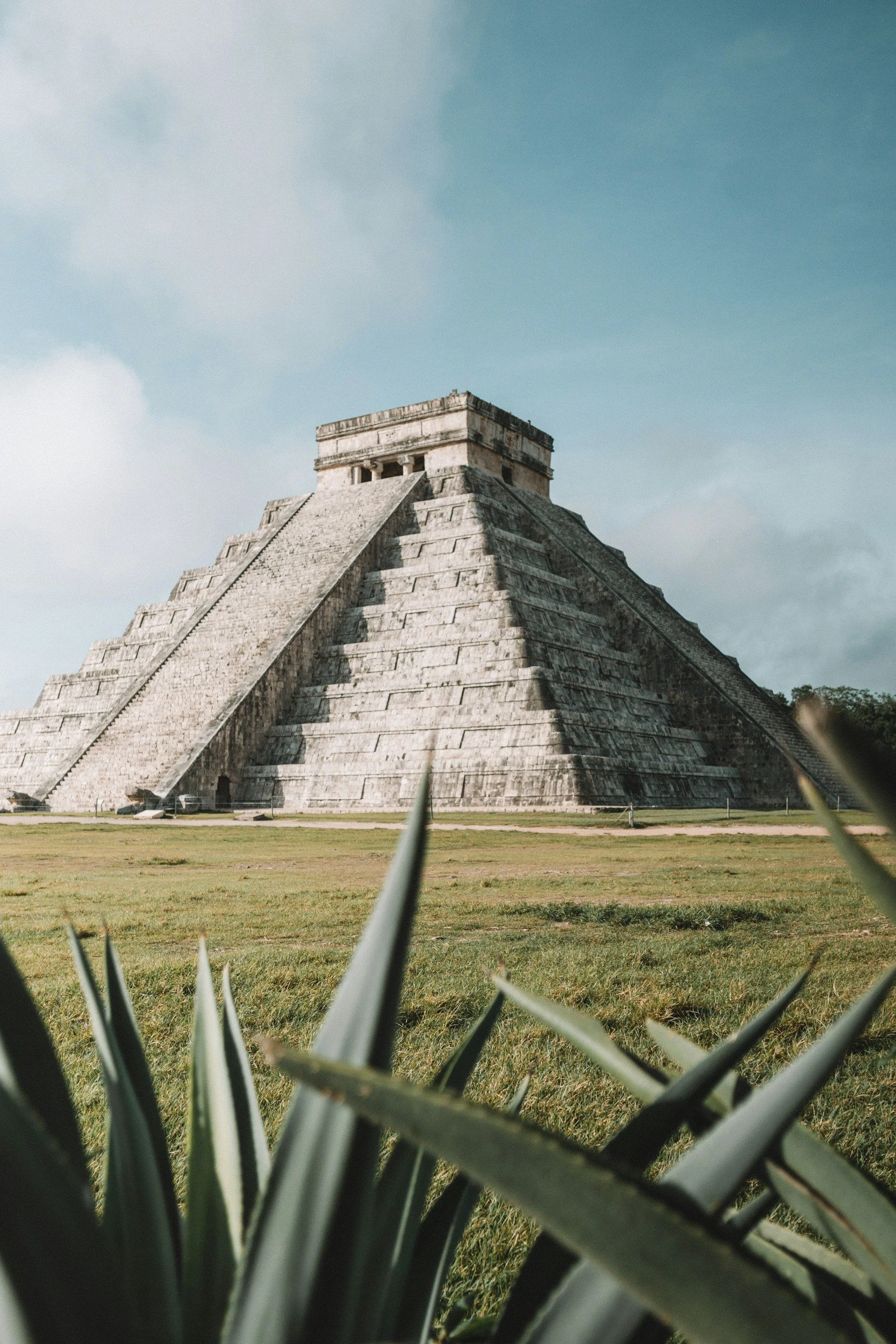
Yucatán holds Mexico's only Level 1 rating alongside Campeche, and Mérida consistently ranks as one of the safest cities in all of Latin America. It's also one of Mexico's most culturally rich destinations — colonial architecture, incredible food, and easy access to ruins like Chichén Itzá and Uxmal. If safety is your number one concern and you want something beyond a beach resort, this is the move.
Oaxaca
Advisory Level: 2 | Status: Normal operations
Oaxaca is one of Mexico's most rewarding destinations — the food alone is worth the trip. The state holds a Level 2 rating and was briefly included in initial security alerts during the February events, but the State Department confirmed it had returned to normal within days. Political protests that occasionally block roads are common here but rarely violent toward tourists. The city itself and the coastal town of Huatulco are both excellent choices.
Mexico Travel Safety Tips for Tourists
Choosing the right destination is half the battle. The other half is how you move through it. These are the tips I give my own clients — the ones that actually matter on the ground.
Get an eSIM or local data plan before you land. This is the single most underrated safety tip. An active phone means you can pull up maps, translate in real time, call an Uber, and reach your embassy if something goes sideways. Don't rely on hotel Wi-Fi once you leave the property.
Use Uber, DiDi, or Cabify — never hail a taxi off the street. This is a big one. The U.S. State Department specifically warns against street taxis. If ride-sharing isn't available in your area, book through your hotel or use an authorized taxi stand (called a "sitio"). Always confirm the license plate and vehicle before getting in.
Travel between cities during daylight and stick to toll highways. First-class or "executive" buses are the safest option for intercity travel. Avoid secondary roads, especially in Level 3 states. If you're driving, toll roads ("cuotas") are better maintained and more secure than free highways.
Enroll in STEP before your trip. The Smart Traveler Enrollment Program is free and takes two minutes. It lets the U.S. Embassy contact you directly if something happens in your area — exactly the kind of heads-up that would have helped a lot of people on February 22.
Get travel insurance with medical evacuation coverage. This isn't optional. Healthcare standards vary widely in Mexico, and a medical evacuation can cost tens of thousands of dollars without coverage. Make sure your policy covers trip interruption too — if February taught us anything, it's that flights can get cancelled with no warning.
Keep a low profile with valuables and protect your cards. Don't wear flashy jewelry, avoid flashing large amounts of cash, and use ATMs inside banks or malls rather than standalone machines on the street. Credit card skimming is a real problem in Mexico — I've personally had a card eaten by a tampered parking meter. Always give card readers a quick wiggle before inserting your card, use tap-to-pay when possible, and check your accounts regularly for unauthorized charges.
Stay in tourist zones after dark and travel in groups. This applies everywhere, but especially in places like Tulum and Playa del Carmen where the nightlife scene can push you into less-patrolled areas. Stick to well-lit, populated streets and take an Uber back to your hotel rather than walking. If you're going out drinking, always have at least one sober person in your group — it's one of the simplest safety moves you can make and it goes a long way when you need to navigate unfamiliar streets, keep track of your belongings, or make smart decisions about where to go next.
Keep copies of your passport and store the original in your hotel safe. Carry a photo of your passport on your phone as backup. If you lose your documents, it makes the replacement process at the consulate much faster.
Download the Guest Assist app if you're visiting Quintana Roo. This is the state government's app for tourists — it gives you quick access to emergency numbers, legal advice, and help with police reports. It's surprisingly useful and most people don't know it exists.
Know who to call. Dial 911 for emergencies in Mexico. For non-emergency consular help, contact the nearest U.S. Embassy or Consulate. Save these numbers in your phone before you leave:
From Mexico: (55) 8526-2561 (U.S. Embassy direct)
From overseas: +1-202-501-4444
From the U.S. or Canada: +1-888-407-4747
The Bottom Line: Should You Travel to Mexico in 2026?
100% yes — of course, with the right destination and the right preparation.
February 2026 was a significant moment, and I don't want to minimize that. But the advisory levels haven't changed, the tourist corridors are operating normally, and millions of people will visit Mexico this year without incident. The key is being intentional about where you go, staying informed, and using common sense once you're there.
If you're looking for the safest bets right now, Cancun, Cabo, Mérida, and Oaxaca are all excellent choices. Mexico City is a world-class destination for anyone comfortable in a big city. Puerto Vallarta is getting back on its feet, but it deserves a closer eye on conditions before you commit.
Mexico's beaches, food, culture, and people are worth it. Don't let the headlines decide for you—let them make you a smarter traveler.