The Best 10-Day Portugal Itinerary for First-Time Visitors
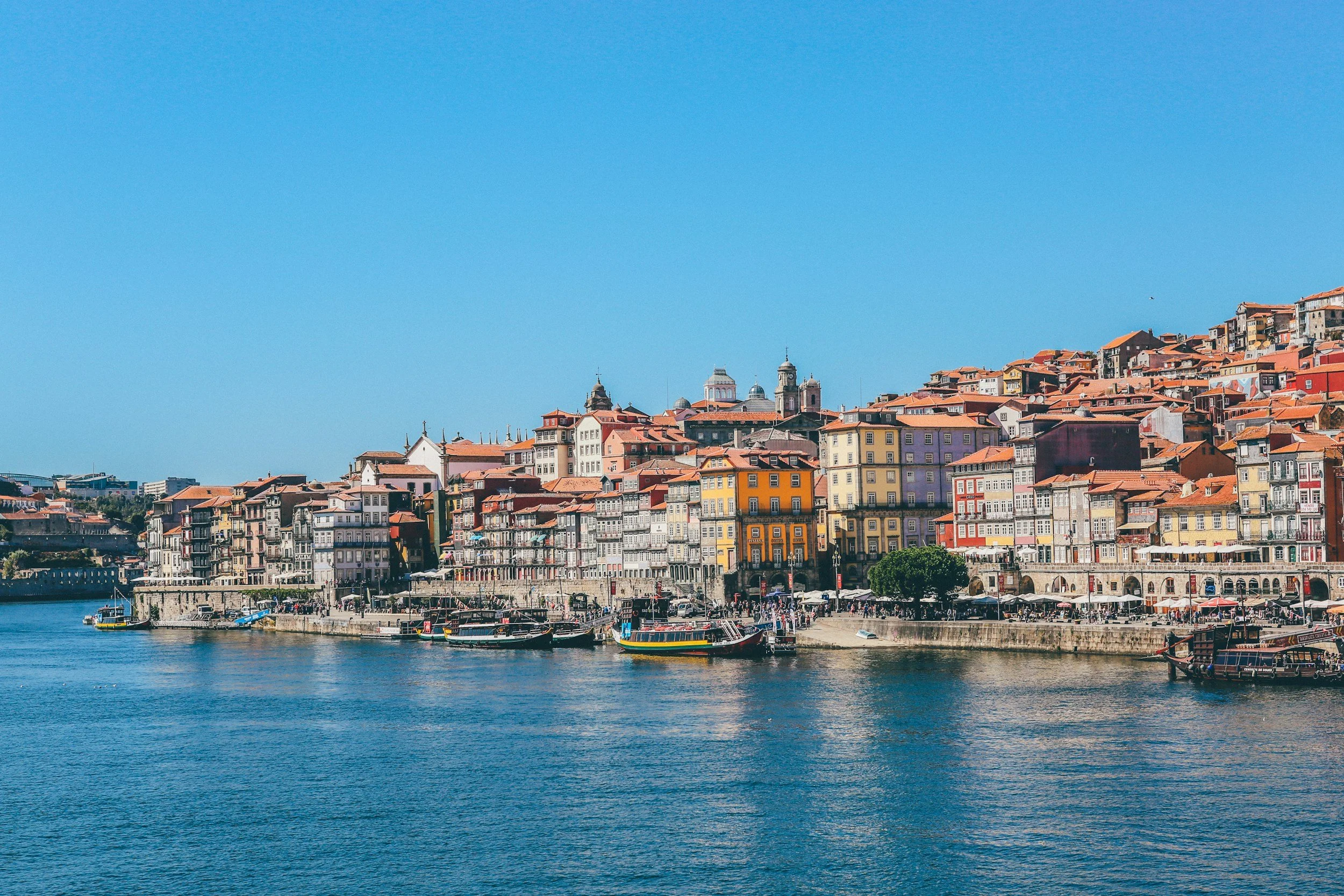
Planning your first trip to Portugal? Prepare to be swept away by a country that is genuinely welcoming from the moment you arrive. This beautiful country blends colorful charm with dramatic coastlines, storied cities, world-class wine regions, and a slow, soulful pace that encourages you to savor every moment.
This guide brings together everything you need for the perfect first trip – a beautifully paced 10-day Portugal itinerary including where to stay, what to eat, how to get around, and optional extensions if you want to see even more while you're already there.
If you find yourself dreaming of Portugal’s mosaic-tiled streets, golden coastline, and the culture and history woven into every corner, this itinerary is the perfect introduction to the country’s most captivating regions.
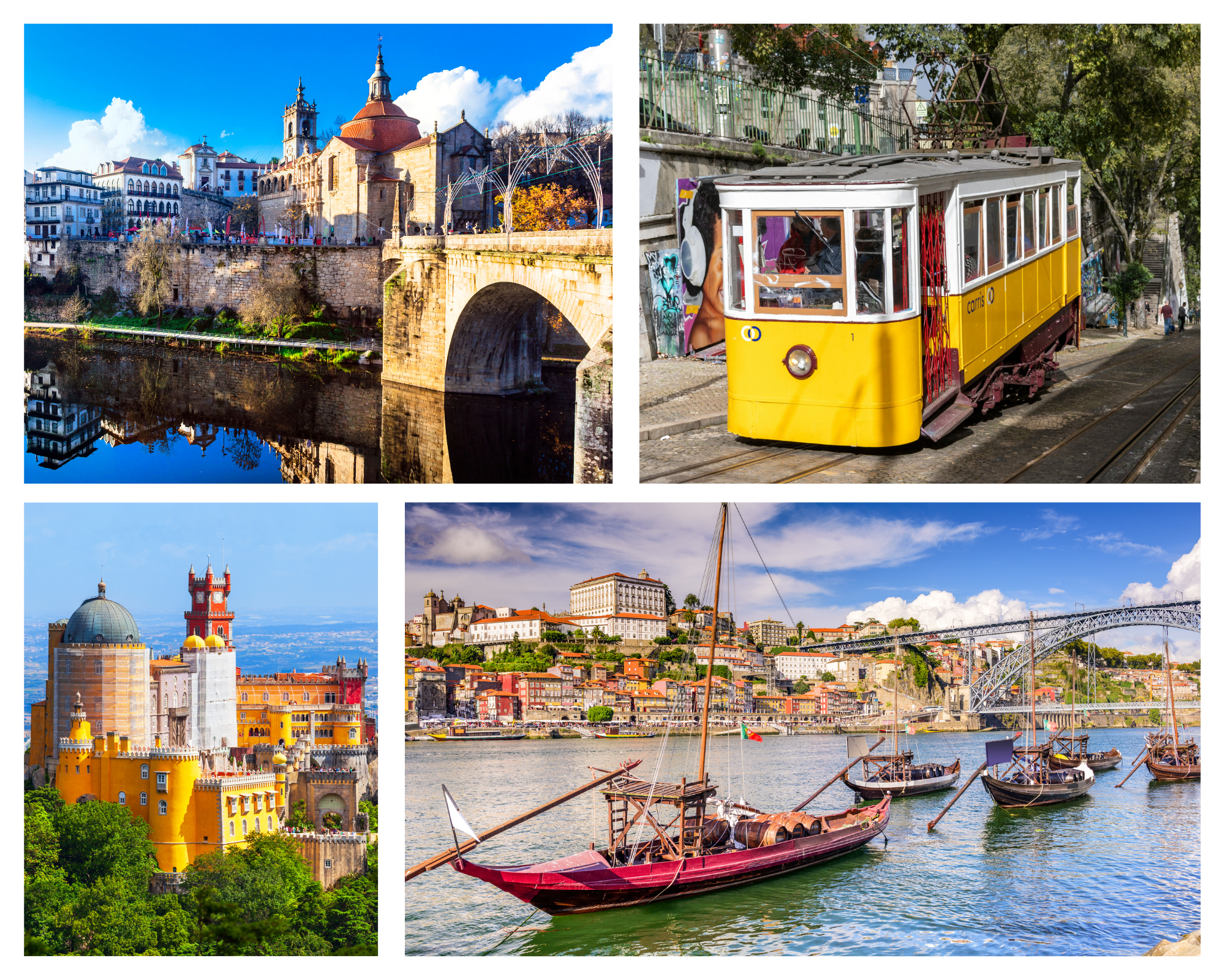
Portugal in 10 Days: Itinerary at a Glance
Before we dive deeper into each destination, here’s a quick look at how your 10 unforgettable days in Portugal will unfold.
Day 1-2: Porto
Day 3: Douro Valley
Day 4–5: Lisbon
Day 6: Sintra
Day 7–10: Algarve
Let’s go—or as they say in Portuguese, vamos lá! But before we explore each stop along the way, let’s take a moment to cover the essentials.
Essential Travel Tips for Portugal
Before you set off through the breathtaking tiled streets and coastal viewpoints, here are a few essential Portugal travel tips to help you plan the perfect 10-day adventure. We’ll walk through the best time of year to visit, how to get around, where to stay, and what to eat—so you can be sure to experience all of the best Portuguese delicacies along the way.
Practical Tips for First-Time Visitors
Portugal is an easy country to navigate, especially for first-time visitors. Still, knowing a few practical details ahead of time can help your trip run even more smoothly.
Tipping: It isn’t required to tip in Portugal, but it’s appreciated. Leaving 5–10% at restaurants or rounding up small bills for excellent service is customary.
Language: English is widely spoken in major cities, but learning a few basics—por favor (please), obrigado/obrigada (thank you)—is always welcomed and shows appreciation for the local culture.
Safety: Portugal is considered one of the safest countries in Europe, making it an excellent destination for both solo travelers and groups. Standard precautions apply in tourist areas.
Connectivity: Check with your mobile provider to see if they offer international roaming packages, which may be convenient depending on your plan. eSIMs are also an easy and reliable option for staying connected during your trip.
Footwear: Lisbon and Porto are famously hilly, with plenty of cobblestone streets. Pack comfortable, supportive shoes to make exploring more enjoyable.
The Best Time of Year to Visit
Portugal welcomes visitors year-round, but the shoulder seasons—April–June and September–October—offer the most comfortable blend of sunshine, mild weather, and relaxed crowds. While July and August glow with peak-summer energy, they also bring higher prices and busier beaches, especially across the Algarve.
Weather During April–June
Spring in Portugal brings a mix of sunny and occasional rainy days, with comfortable temperatures typically hovering between the mid-60s and mid-70s°F (18–24°C). Flowers blanket the hillsides, the evenings feel balmy, and it’s an ideal time for wandering historic streets or lingering over long alfresco lunches. If you’re visiting during these months, pack both sunscreen and a light umbrella. You’ll want to be prepared for whatever the spring weather brings.
Weather During September–October
Autumn in Portugal brings warm seas, plenty of sunshine, and daytime temperatures in the 70s–80s°F (21–27°C). September often feels like a calmer extension of summer, with the ocean at its warmest and fewer crowds. In October, temperatures begin to cool and much of the country moves into grape harvest season, especially in the Douro and Alentejo. It’s an excellent time to visit vineyards, and the cooler evenings make wine tasting and exploring coastal towns especially comfortable.
How to Get Around
Portugal is wonderfully easy to navigate, with reliable public transportation, compact city centers, and simple connections between regions. Here’s what you need to know about getting around during a 10-day trip.
Trains
Trains are the most comfortable and convenient way to travel between Portugal’s major cities. They’re clean, affordable, and ideal for travelers who prefer not to drive.
Porto → Lisbon is especially scenic and typically takes 2.5–3 hours, depending on the service.
Trains to Coimbra, Braga, and Faro are also frequent and efficient.
Tickets can be booked in advance through Comboios de Portugal (CP), often at a discounted rate.
Booking ahead not only saves money but it ensures you have a reserved seat, making your travel day much easier and more relaxed.

Photo by Thomas Tucker on Unsplash
Driving
While you won’t need a car in Lisbon or Porto, renting one can be incredibly helpful in regions where public transportation is limited—especially the Algarve and parts of the Douro Valley. Having a car gives you the flexibility to explore hidden beaches, scenic overlooks, and small towns that are harder to reach by train or bus.
When It Makes Sense to Rent a Car:
Beach-hopping across the Algarve
Visiting multiple wineries in the Douro Valley
Staying in rural areas or smaller towns
Planning day trips outside major tourist hubs
How to Rent a Car:
Car rentals are available at all major airports—Lisbon, Porto, and Faro—as well as in city centers and large train stations. You can choose from a variety of rental companies depending on your preferences for vehicle size, transmission type, and budget. And of course, I can help you with that.
As your travel advisor, I can:
Compare rental prices and vehicle options
Recommend reliable companies I trust
Arrange convenient pickup and drop-off locations
Ensure you’re set up with the right insurance
Help you understand Portugal’s toll system and local driving norms
Having support makes the entire process smoother and helps you get exactly what you need—without the hassle of trying to coordinate everything on your own. This is exactly why many travelers choose to work with a travel advisor when planning a trip like this.
Helpful Tips for Driving:
Highways are well-maintained but may include tolls
Coastal and rural roads can be narrow, so smaller cars are often easier
Parking in historic centers can be limited, which is why driving is best saved for the regions where it truly enhances your experience
For most travelers, I recommend renting a car for only a portion of the trip—typically the Algarve and optionally the Douro Valley, giving you the perfect balance of convenience and ease.
Domestic Flights
If you're interested in extending your trip beyond mainland Portugal, domestic flights make it easy to reach nearby islands like Madeira, one of the most popular add-on destinations.
Flights from Lisbon to Madeira take about 1.5 hours and run multiple times per day.
The Azores are also accessible by air, with flights typically ranging from 2–2.5 hours depending on the island.
Both archipelagos are known for dramatic landscapes, excellent hiking, and unique cultural experiences, making them well worth considering if you’re already in Portugal.

City Transit
Portugal’s major cities are very easy to navigate without a car, thanks to reliable public transportation and walkable neighborhoods. Lisbon and Porto both offer metros, trams, buses, and affordable rideshares, making it simple to get around during your first visit.
One of the most charming ways to experience Portugal like a local is by riding the historic trams—especially Lisbon’s famous Tram 28, which winds its way through some of the city’s oldest, most picturesque neighborhoods. It’s both practical and a memorable cultural experience.
Lisbon is also known for its iconic funiculars, including the Ascensor da Bica, Glória, and Lavra. These vintage lifts are a fun and easy way to navigate the city’s steep hills and offer a unique view of the neighborhoods they pass through. Some funiculars have experienced temporary closures or construction updates recently, so it’s best to check the current operating status before planning a ride.
In general:
Metros are quick and efficient for covering longer distances.
Buses and trams help reach neighborhoods the metro doesn’t serve.
Rideshares (Uber, Bolt, Free Now) are inexpensive and convenient, especially when traveling with luggage.
Walking is often the most enjoyable way to explore, especially in historic districts where every turn reveals a new viewpoint, café, or hidden street.
Public transit is efficient, intuitive, and one of the easiest ways to feel like a local while exploring Portugal’s vibrant urban centers, especially with navigation apps like Google Maps, Moovit, or CP (Comboios de Portugal) to help you get around.
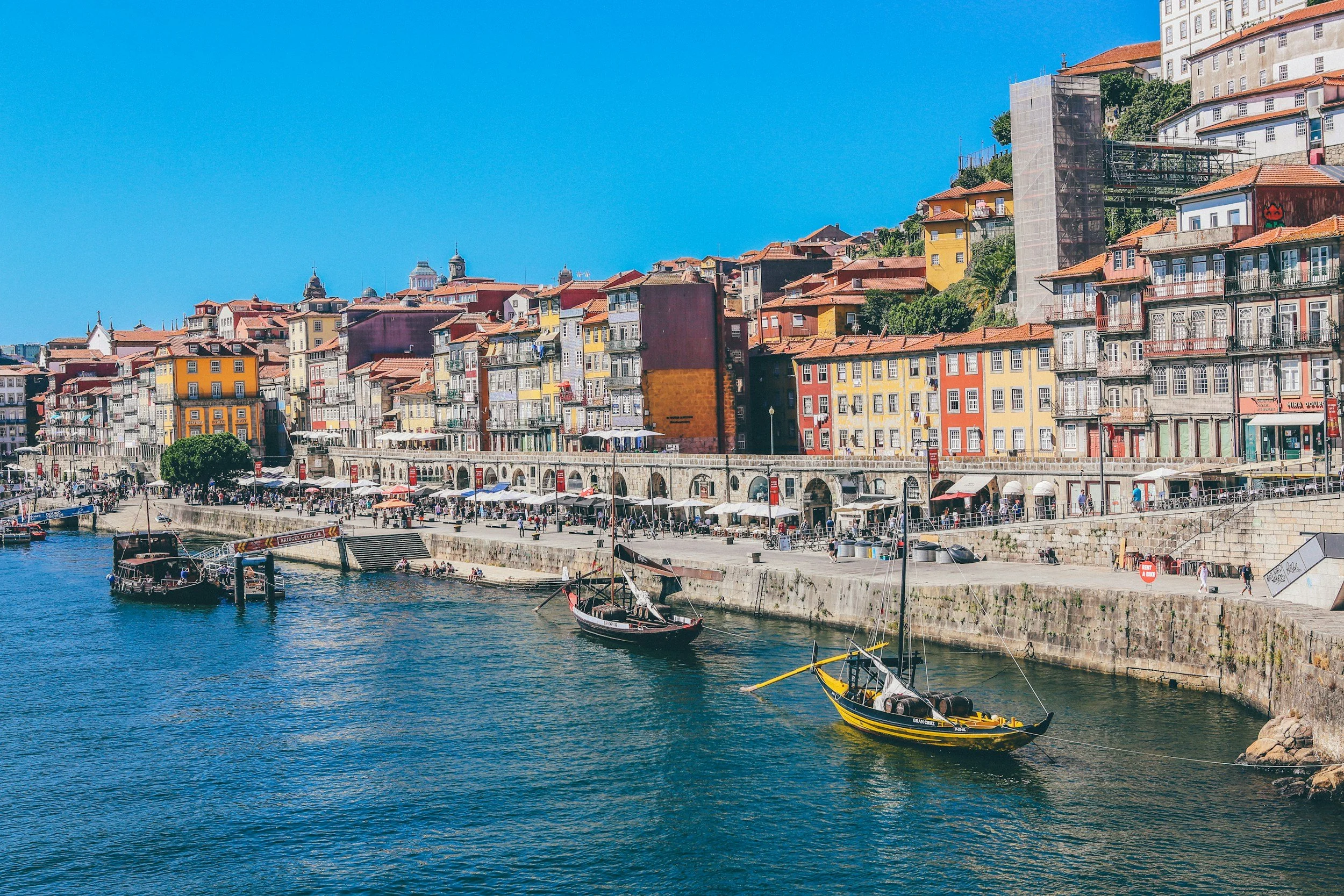
Best Places to Stay in Portugal
Here’s a quick, easy-to-navigate guide to the best neighborhoods and regions for first-time visitors, including who each area is best for and what to expect.
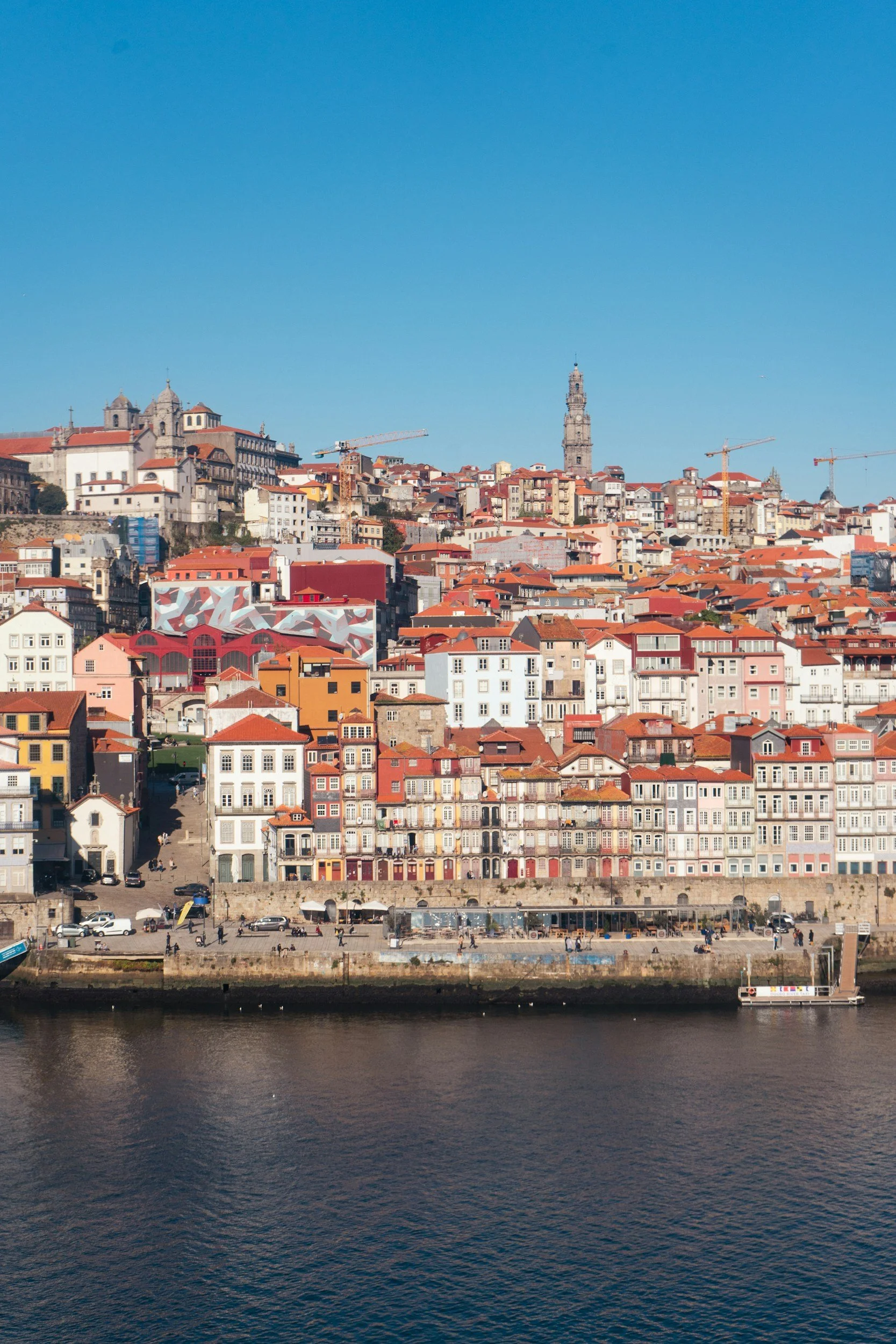
Best Neighborhoods in Porto
Ribeira
Best For: Classic riverfront views and postcard-worthy scenery.
Pros: Stunning location, great dining, close to major sights.
Cons: Can be crowded; hotels here are often more expensive.
Sé
Best For: History lovers and travelers who want a central base.
Pros: Walkable, near Porto Cathedral and viewpoints.
Cons: Steep streets and fewer late-night dining options.
Cedofeita
Best For: A more local, artsy neighborhood experience.
Pros: Trendy cafés, galleries, and quieter streets.
Cons: Slightly farther from the riverfront.
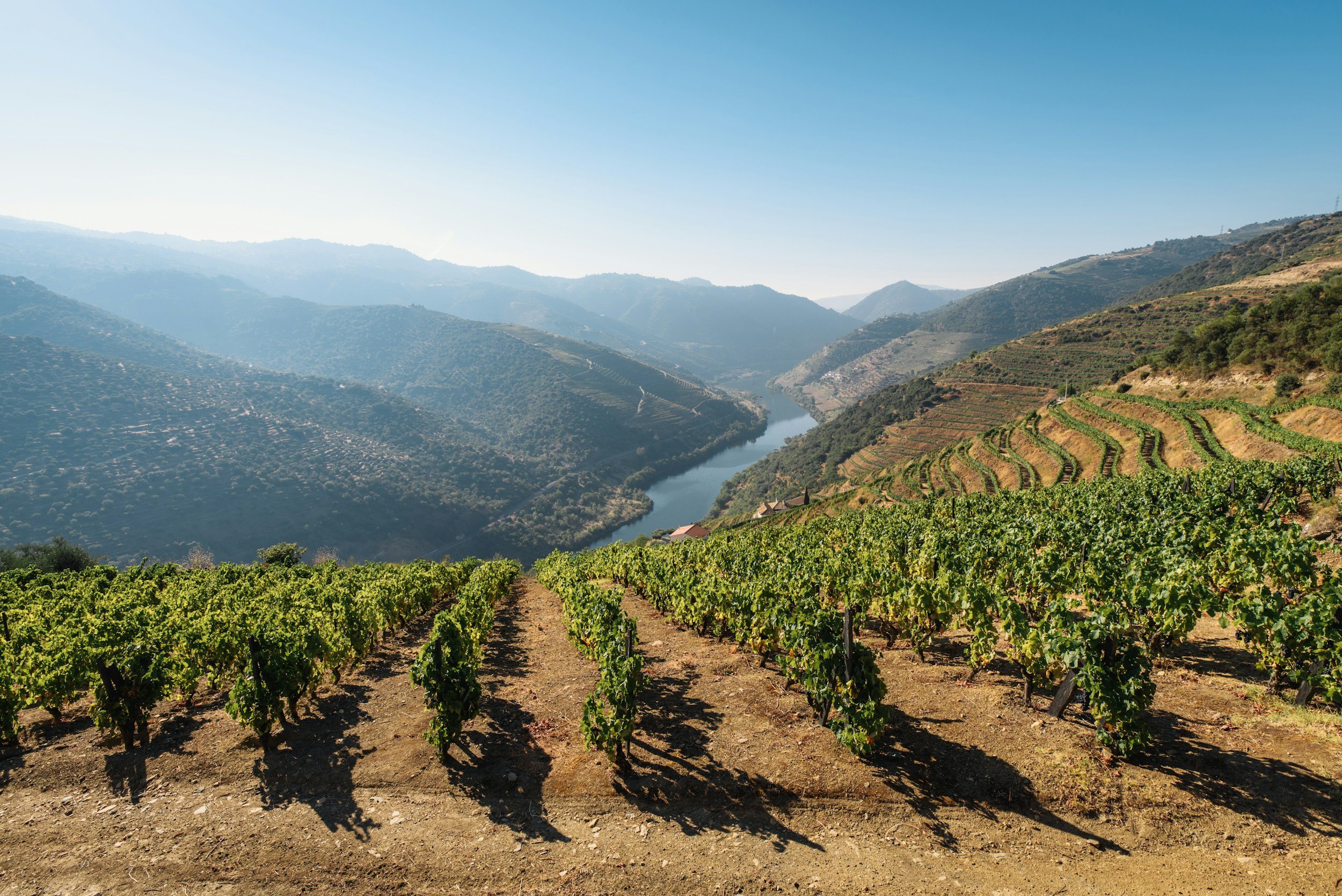
Best Towns in the Douro Valley
Peso da Régua
Best For: Convenient access to wineries and river cruises.
Pros: Good transportation connections, many winery options.
Cons: More functional than scenic compared to other towns.
Pinhão
Best For: Scenic vineyard stays and a slower pace.
Pros: Beautiful views, close to major quintas.
Cons: Limited nightlife and dining; best with a car or private transport.
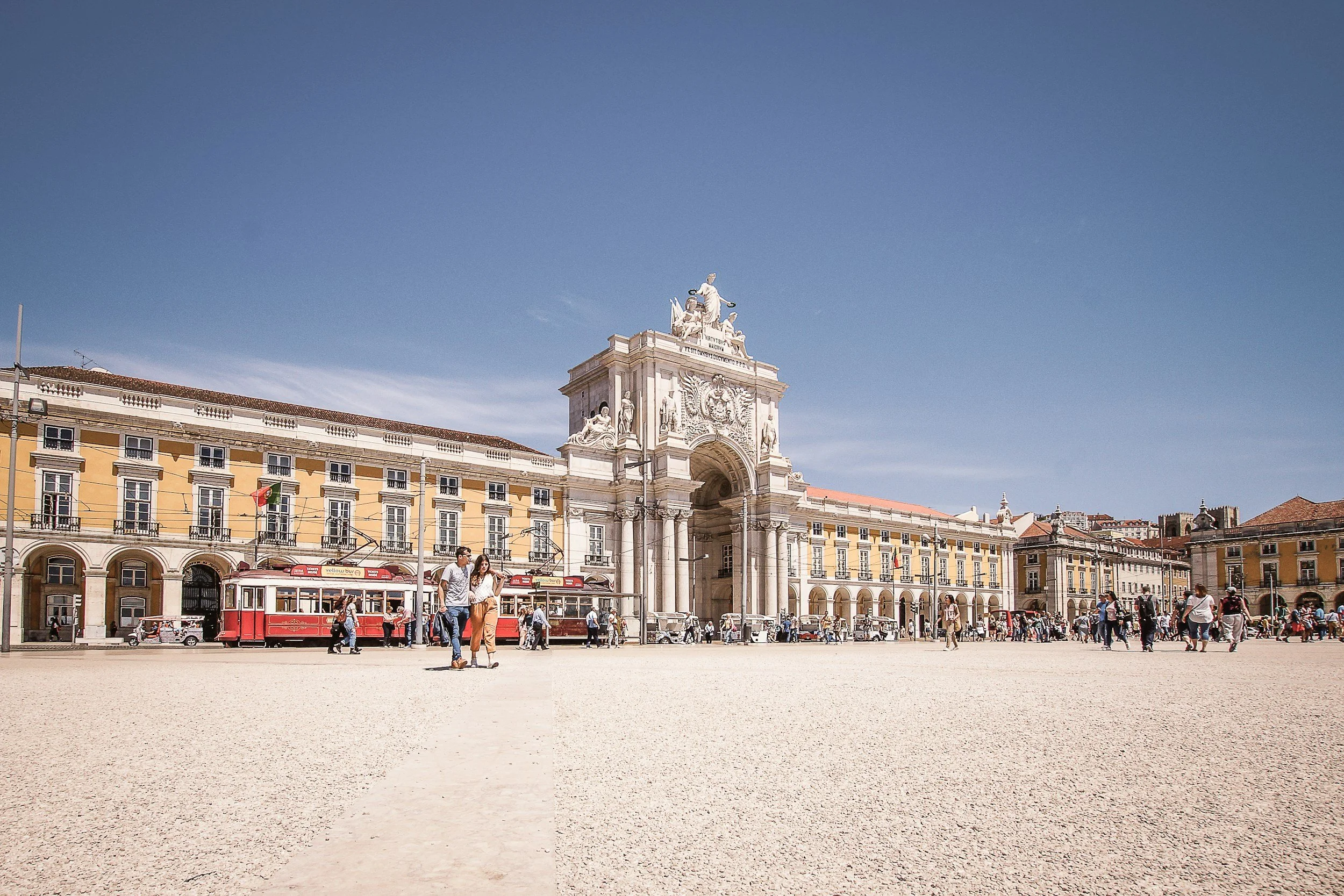
Best Neighborhoods in Lisbon
Baixa
Best For: First-time visitors who want to be close to major sights.
Pros: Central, walkable, excellent transit connections.
Cons: Can feel busy and touristy, especially in high season.
Chiado
Best For: Travelers who enjoy shopping, dining, and boutique hotels.
Pros: Stylish, vibrant, great restaurants and cafés.
Cons: Slightly pricier and lively at night.
Alfama
Best For: Those who want old-world charm and history.
Pros: Scenic streets, viewpoints, fado music, authentic atmosphere.
Cons: Lots of hills and steps; fewer hotel options.
Príncipe Real
Best For: A quieter, upscale neighborhood close to the action.
Pros: Beautiful streets, trendy cafés, relaxed atmosphere.
Cons: A bit farther from major attractions and the waterfront.
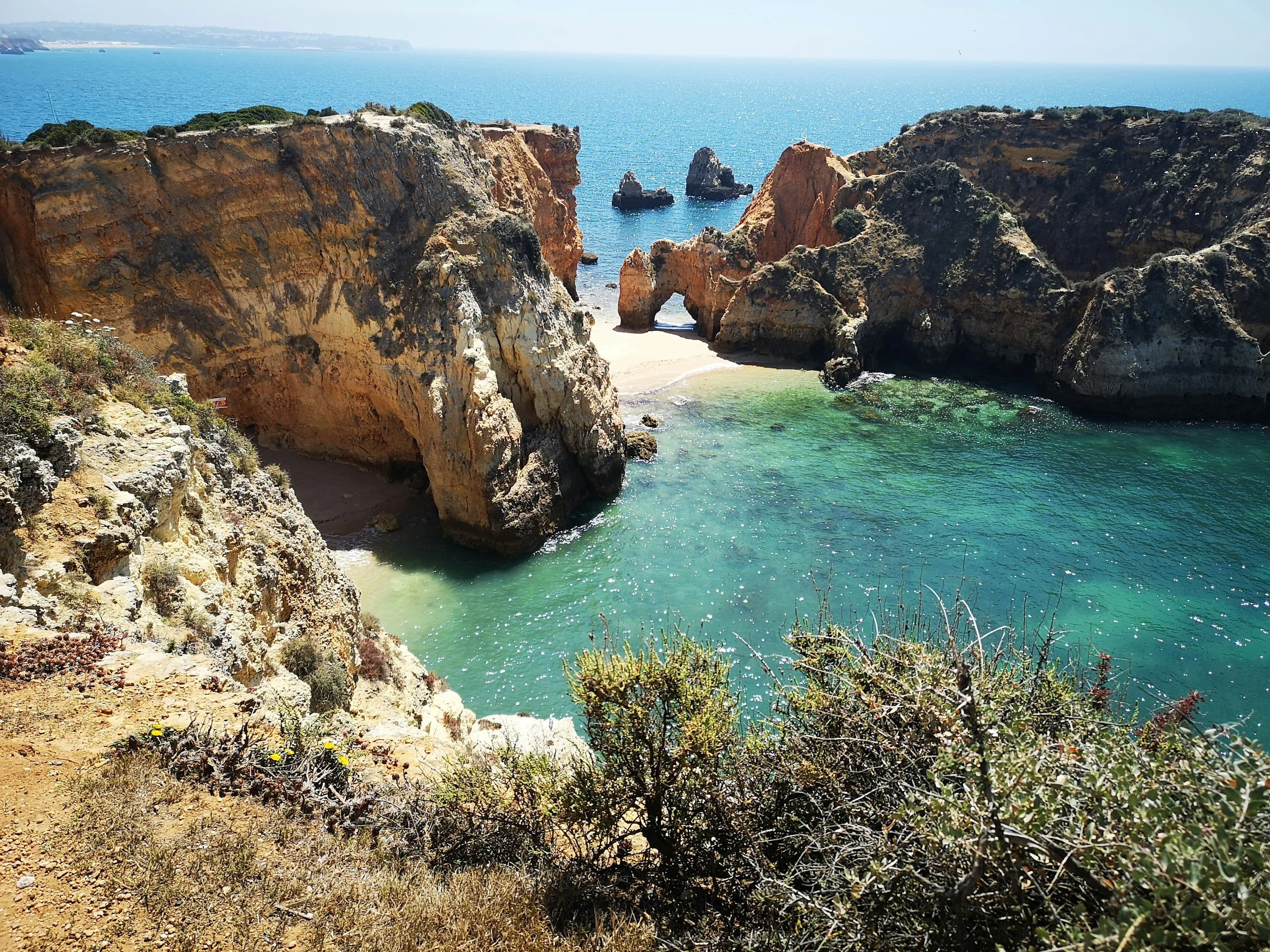
Best Towns in the Algarve
Lagos
Best For: Stunning scenery, beaches, and dramatic cliffs.
Pros: Beautiful coastline, great for exploring on foot or by boat.
Cons: Popular in summer; can feel busy.
Albufeira
Best For: Lively energy, beaches, and nightlife.
Pros: Plenty of dining and accommodation options; great beaches.
Cons: Not ideal for travelers seeking quiet or boutique stays.
Faro
Best For: A quieter, more historic base with access to island beaches.
Pros: Charming old town, calmer atmosphere, easy airport access.
Cons: Farther from the Algarve’s major cliffs and viewpoints.
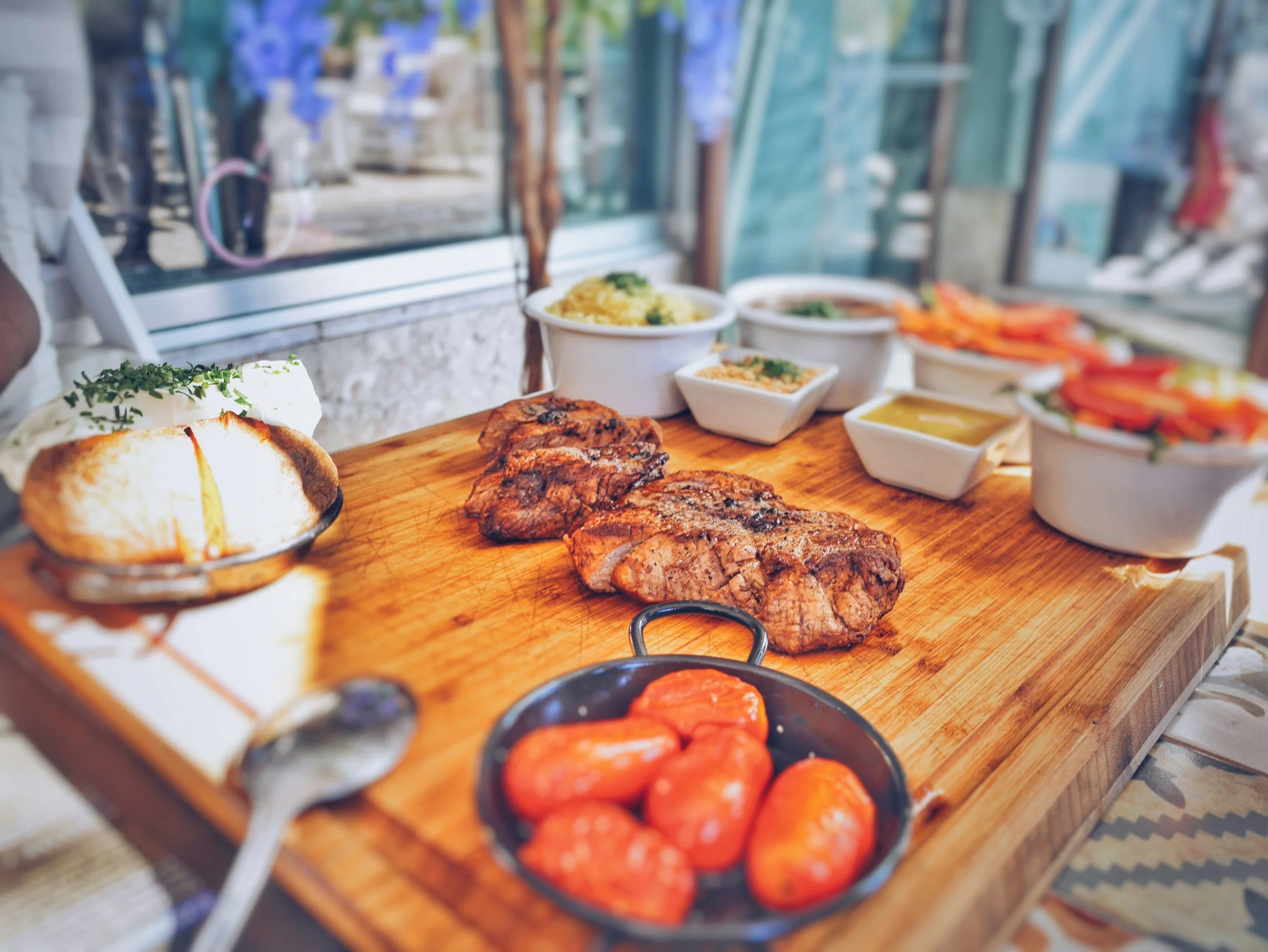
What to Eat in Portugal and Where to Get it
Portugal’s cuisine is comforting, regional, and full of bold yet simple flavors. Each destination on your itinerary offers its own specialties—here’s what to try and where to find the most authentic versions.
What to Eat in Porto
Francesinha

Best For: Hearty appetites and anyone wanting to try Porto’s iconic sandwich.
Where to Try It:
Café Santiago for the best local version, rich and satisfying
Lado B in the Cedofeita district for a popular take among locals
Fresh Dishes at Bolhão Market
Best For: Sampling regional ingredients and casual local meals.
Where to Try It:
Mercado do Bolhão for fresh seafood, meats, and local snacks
Cantinho do Avillez nearby for a more refined, yet still authentic experience
Port Wine & Vinho Verde
Best For: Wine lovers and anyone wanting to experience northern Portugal’s signature drinks.
Where to Try It:
Graham’s Lodge in Vila Nova de Gaia for classic port tastings
Wine Quay Bar along the river for both port and Vinho Verde, a refreshing regional white wine you’ll see throughout northern Portugal
Tip: While port wine comes from the Douro Valley, Vinho Verde comes from the Minho region just north of Porto. Both are widely served in the city and offer a great contrast in flavor and style.
What to Eat in the Douro Valley
Local Olive Oil

Best For: Travelers interested in regional products and farm-to-table flavors.
Where to Try It:
Quinta do Tedo for a great olive oil tasting experience, paired with views
Douro Village for an intimate, hands-on tour of olive groves
Slow-Cooked Regional Meats
Best For: Enjoying hearty dishes that pair perfectly with Douro reds.
Where to Try It:
The Wine House Hotel in Peso da Régua for traditional dishes paired with local wines
Restaurante Castas e Pratos in Régua for rustic cuisine in a scenic setting
Dessert Wines & Pairings
Best For: Savoring the sweeter side of the Douro.
Where to Try It:
Quinta do Vallado for dessert wine pairings in a stunning vineyard setting
Douro Valley Vineyards for a full wine-pairing experience
What to Eat in Lisbon
Bacalhau à Brás
Best For: A classic, comforting introduction to Portugal’s beloved salted cod dishes.
Where to Try It:
Casa da Índia in Baixa for a traditional take
Cervejaria Ramiro in Alfama for a slightly more modern spin
Bifana Sandwiches
Best For: A quick, flavorful bite between sightseeing stops.
Where to Try It:
O Trevo in Príncipe Real, known for its legendary bifanas
As Bifanas do Afonso in Bairro Alto for a delicious, local twist
Pastéis de Nata
Best For: Anyone with a sweet tooth—this is a must.
Where to Try It:
Pastéis de Belém for the original, world-famous tart made fresh all day
Manteigaria in Chiado for a fantastic, modern version

What to Eat in the Algarve Region

Piri-Piri Chicken
Best For: Travelers who want a flavorful (not always spicy) staple.
Where to Try It:
Casa do Piri-Piri in Albufeira for the perfect mix of heat and flavor
Frango do Vale in Faro for an authentic, no-frills piri-piri experience
Cataplana (Seafood Stew)
Best For: Fresh coastal flavors served the way locals enjoy them.
Where to Try It:
O Camilo in Lagos for a cataplana with the freshest fish
Restaurante A Forja in Albufeira for a more traditional, family-style dish
Fresh Grilled Sardines
Best For: A simple, iconic Algarve dish.
Where to Try It:
A Sardinha in Portimão for excellent grilled sardines by the sea
Adega do Cantor near Albufeira for grilled sardines and other delicious seafood
Orange-Infused Desserts
Best For: A taste of the Algarve’s famous citrus.
Where to Try It:
Patisserie Algarve in Faro for delightful citrus-based pastries
Doce Lar in Lagos for dessert with a twist of local orange flavor
Your Full 10-Day Portugal Itinerary
Now that we’ve covered the essentials, let’s dive into the details of your journey—where to go, what to see, and how to make the most of each day.
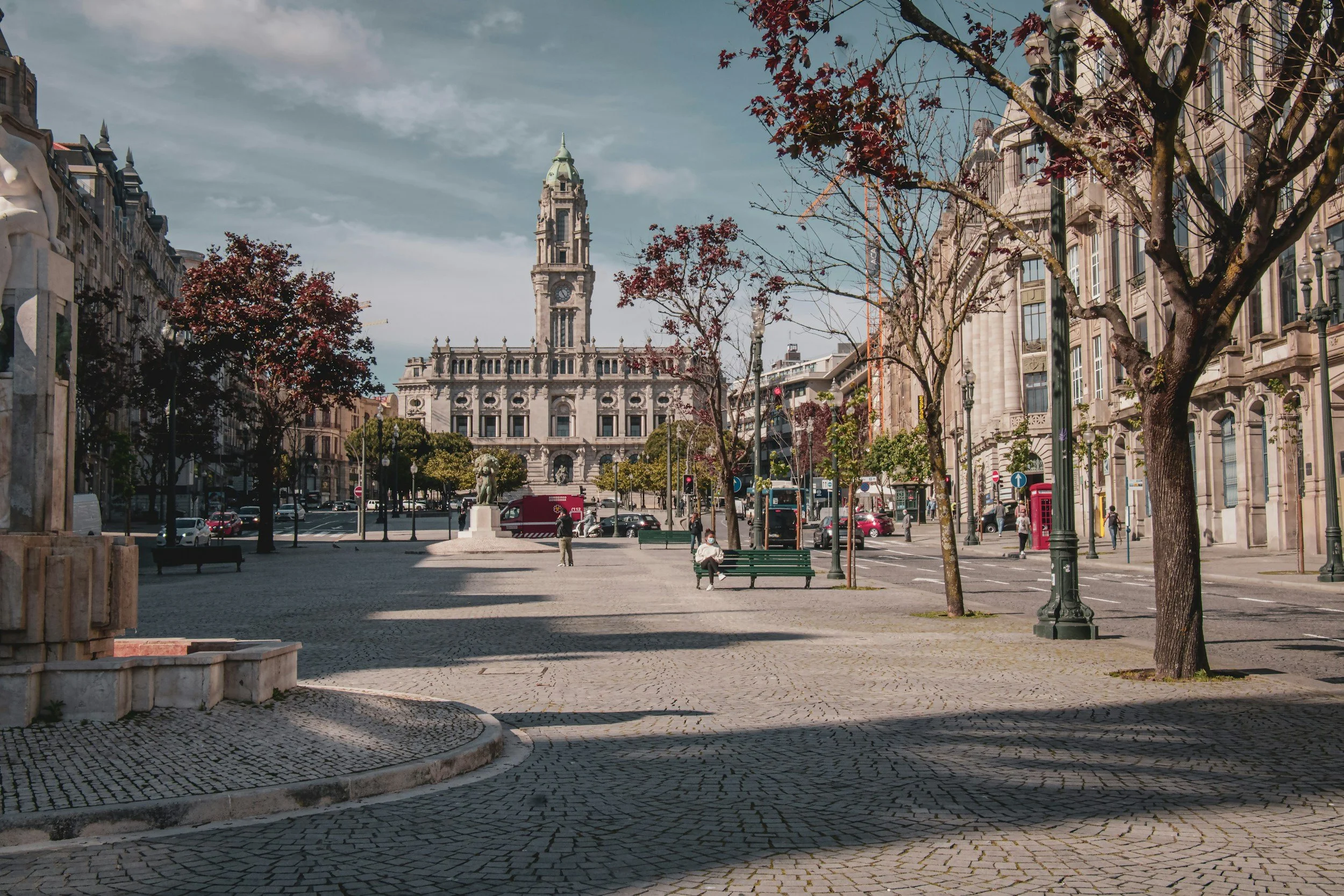
Days 1–3: Porto with Day-Trip to the Douro Valley
Porto offers a completely different experience from Lisbon—more intimate, historic, and riverfront-focused. Over two days, you’ll explore its UNESCO-listed old town, iconic architecture, and world-renowned wine culture.
Day 1: Arrive in Porto + Ribeira at Sunset
Take the train from Lisbon to Porto (typically 2.5–3 hours), then settle into the charm of Portugal’s northern capital.
What to Do:
Ribeira District — Wander through Porto’s colorful, UNESCO-listed riverfront neighborhood. Its narrow streets, tiled façades, and scenic views make it the perfect place to spend your first evening. This is one of the most magical sunset settings in all of Portugal.
Luís I Bridge — Cross the lower level on foot or simply admire its dramatic structure from the riverbank.
Port Wine Introduction — End your evening on the Gaia side of the river with a glass of port while looking back at Porto’s sparkling skyline.
Day 2: Explore Porto’s Highlights
Dedicate your full day to Porto’s most iconic landmarks and neighborhoods.
What to Do:
Livraria Lello — One of the world’s most beautiful bookstores. Reserve timed entry to avoid long lines.
Clérigos Tower — Climb to the top for some of the best views in the city.
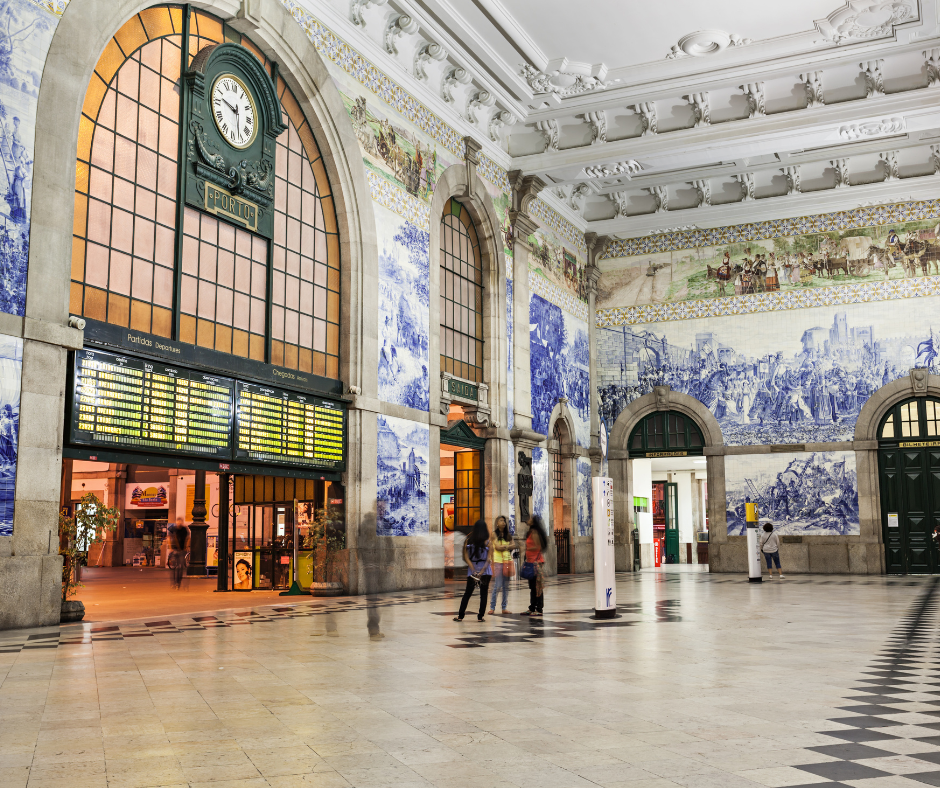
São Bento Station — Admire its stunning tile murals depicting scenes from Portuguese history.
Bolhão Market — Browse fresh produce, local goods, and regional flavors in a beautifully restored market hall.
Vila Nova de Gaia Wine Cellars — Cross the Luís I Bridge to tour historic port wine lodges and enjoy tastings with river views.
Porto Food Tour — A guided tasting experience is an excellent way to learn about Porto’s culinary traditions while exploring local neighborhoods.
Day 3: Day-Trip to the Douro Valley
The Douro Valley is one of the most scenic wine regions in the world, known for its terraced vineyards, river views, and centuries-old wine estates (quintas). Visiting this region is a highlight for many travelers, offering a peaceful contrast to Portugal’s cities.
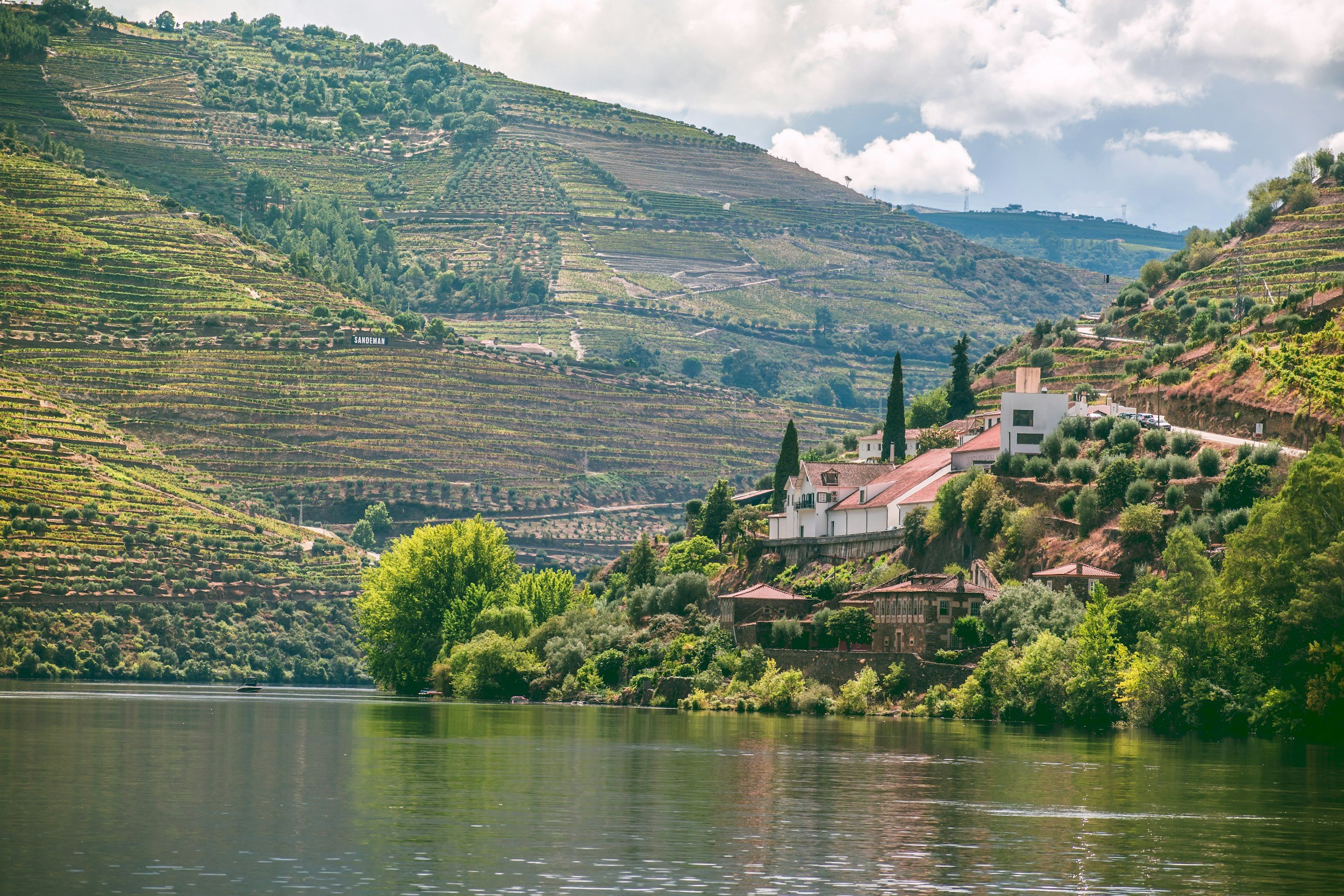
How to Spend Your Day:
You can explore the Douro Valley in two main ways, depending on your travel style:
Guided Day Trip —The most seamless option, with transportation, winery visits, and often a river cruise included.
Rent a Car— A self-drive option gives you full flexibility—ideal if you want to linger at viewpoints, visit smaller family-run wineries, or stop for scenic photos along the way.
By Train —Take the scenic Douro Line from Porto São Bento or Campanhã:
Peso da Régua: ~1 hour 45 minutes
Pinhão: ~2 hours 15 minutes
This is one of the most beautiful rail routes in the country.
Top Experiences in the Douro Valley:
Wine Tastings at Hillside Quintas — Sample local reds, whites, and ports while learning about the region’s winemaking traditions.
Douro River Cruise — Take a traditional rabelo boat ride from Pinhão for peaceful river views surrounded by vineyard-covered slopes.
Scenic Viewpoints — Don’t miss São Leonardo de Galafura, one of the most breathtaking overlooks in the region.
Days 1-3 in Porto Summary:
Get introduced to Porto’s riverfront beauty and port wine culture.
Experience the city’s culture by walking through the streets to see incredible architecture, historic sites, and iconic wine cellars.
Take a scenic day-trip to the Douro Valley and indulge in delicious wine and picturesque scenery.
Days 1–3: Lisbon with a Day Trip to Sintra
Lisbon is the perfect introduction to Portugal: vibrant, coastal, and steeped in history. Over three days, you’ll explore charming neighborhoods, iconic viewpoints, and historical landmarks. You’ll also take a day trip to Sintra, a fairytale-like town known for its palaces, gardens, and sweeping views.
Day 1: Explore Lisbon’s Historic Heart
Start your adventure with a deep dive into Lisbon’s most iconic districts.
What to Do:
Baixa & Rossio Square — Stroll through Lisbon’s bustling downtown, filled with beautiful plazas, shops, and cafés.
Chiado — Known for its stylish stores, cafés, and the famous A Brasileira café.
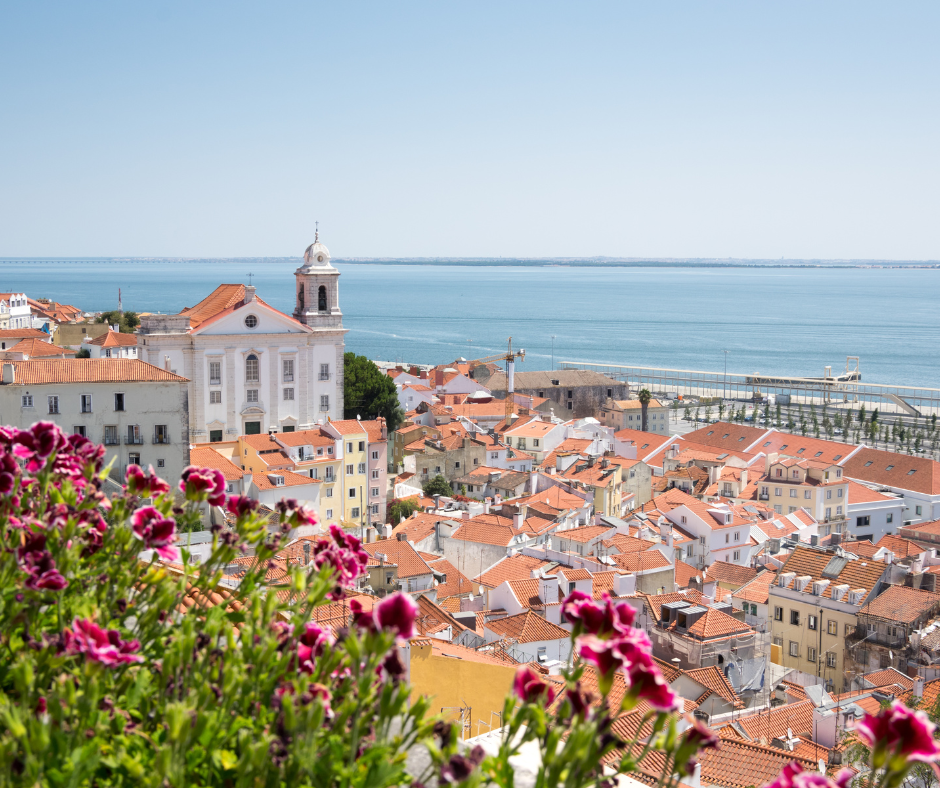
Alfama — Wander through the maze of Lisbon’s oldest district, enjoy spectacular viewpoints, and admire the vibrant tiled buildings.
Miradouros (Viewpoints) — Visit Miradouro da Senhora do Monte or Miradouro de Santa Luzia for stunning panoramic views of the city.
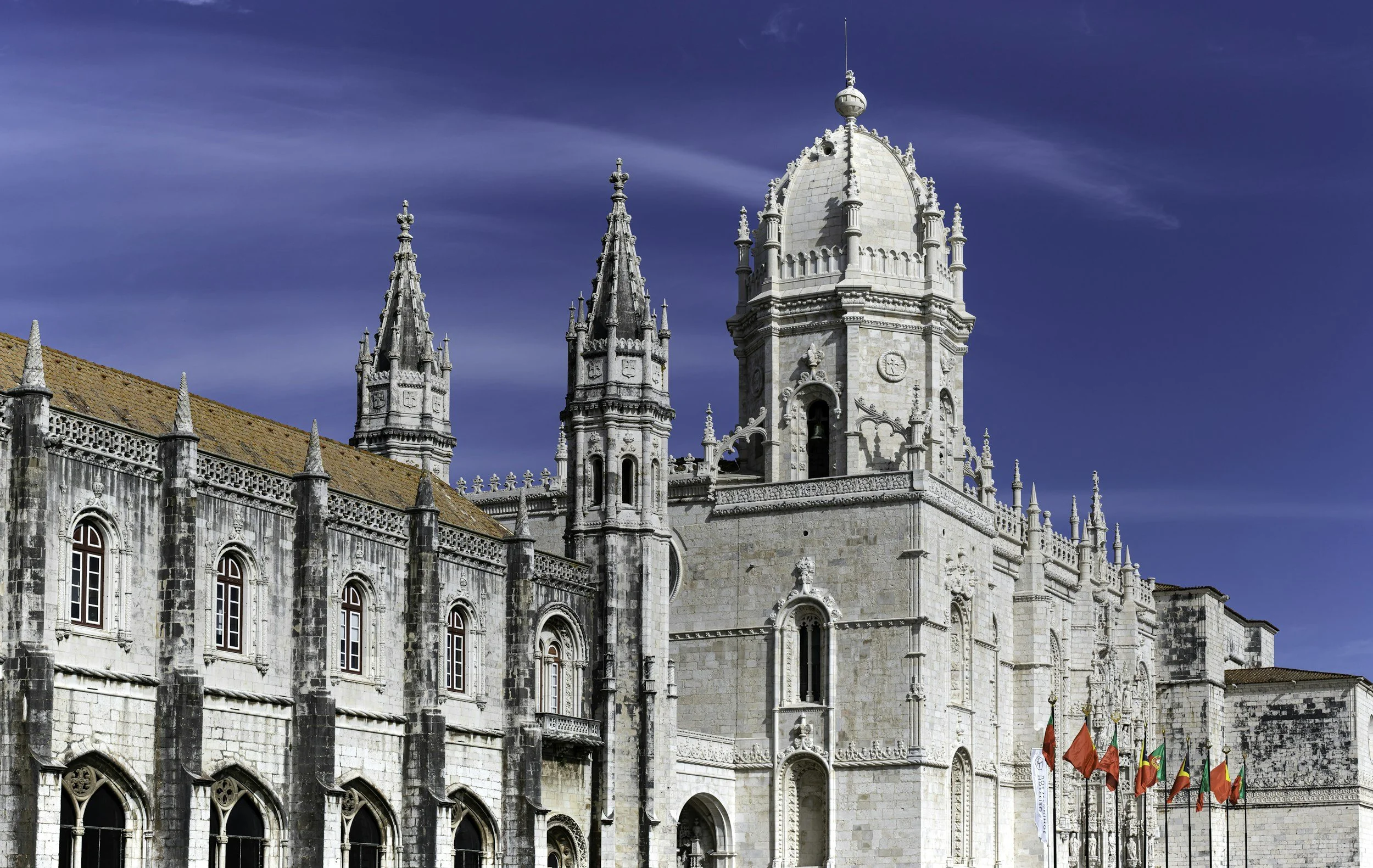
Day 2: Belem + LX Factory
Dedicate your second day to Lisbon’s waterfront treasures and modern attractions.
What to Do:
Jerónimos Monastery — A UNESCO World Heritage site and a stunning example of Manueline architecture.
Belém Tower — Explore this iconic 16th-century fortress with views over the Tagus River.
Monument to the Discoveries — Learn about Portugal’s Age of Exploration.
Pastéis de Belém — Try the original pastel de nata from the birthplace of this beloved pastry.
In the afternoon:
Head to LX Factory, a former industrial area now filled with art spaces, boutiques, cafés, and restaurants. It’s the perfect spot to explore Lisbon’s creative scene.
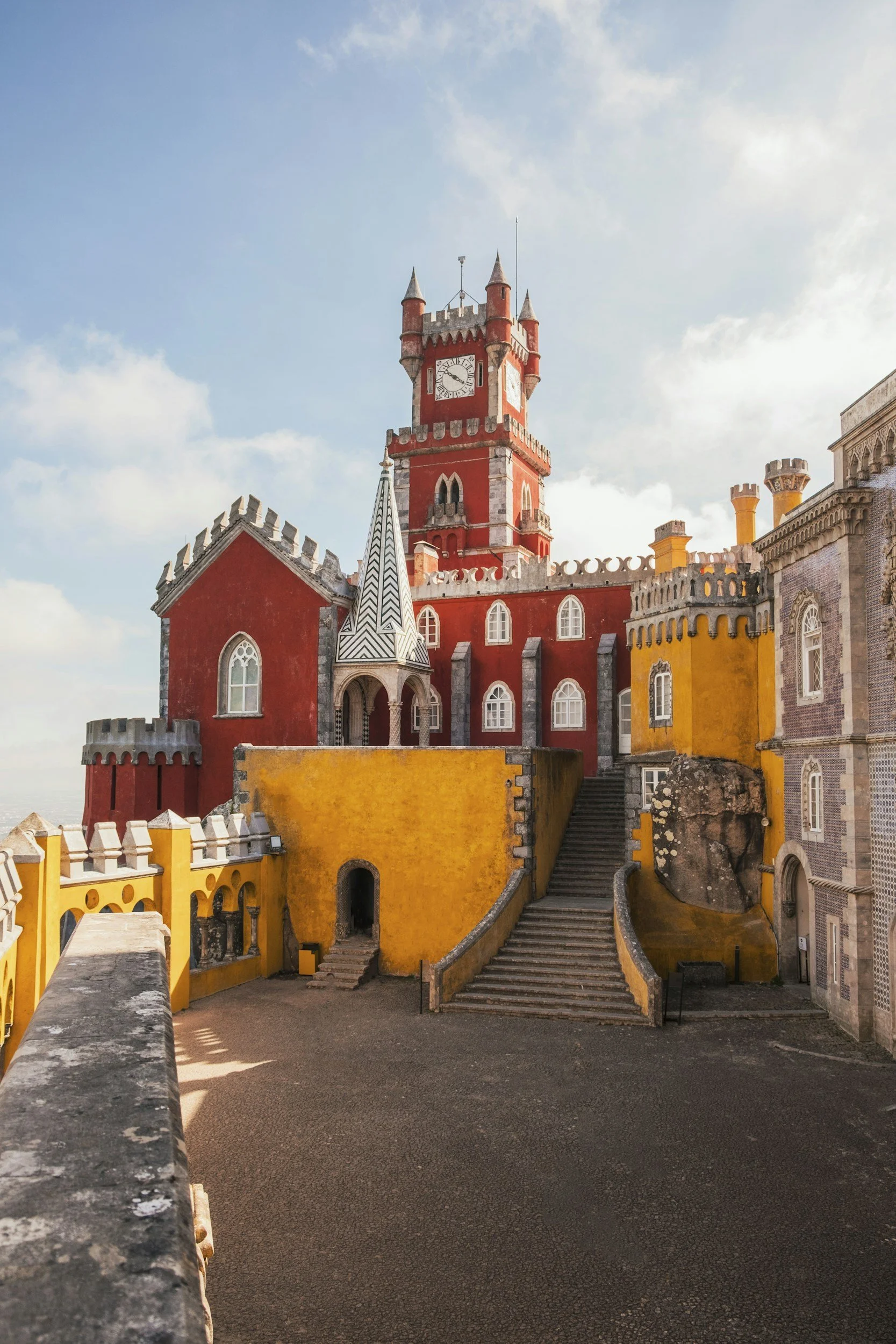
Day 3: Day Trip to Sintra
Sintra is one of the most magical destinations near Lisbon, and opting for a guided tour is the easiest way to see its highlights in a single day.
What to Do:
Pena Palace — Start your day at this vibrant, hilltop palace with stunning views of the surrounding forest. Arrive early to avoid crowds.
Quinta da Regaleira — Explore its magical gardens, secret tunnels, and the Initiation Well—a truly enchanting place.
Sintra Town — Take some time to explore the charming town center, with its colorful streets and quaint cafés.
Optional: Visit Monserrate Palace for its stunning gardens, or hike up to Moorish Castle for panoramic views of the region.
Travel Tip: Sintra involves a lot of walking and some steep hills. Be sure to wear comfortable shoes, and consider using the shuttle services that connect the main attractions to maximize your time.
Days 1-3 in Lisbon Summary:
Explore every corner of the historical city center of Lisbon by foot and take the city transit to Belém to walk the waterfront and try the delicious pastel de nata in it’s birthplace.
Take a magical day-trip to Sintra to experience with palaces, gardens, and mystical panoramic views.
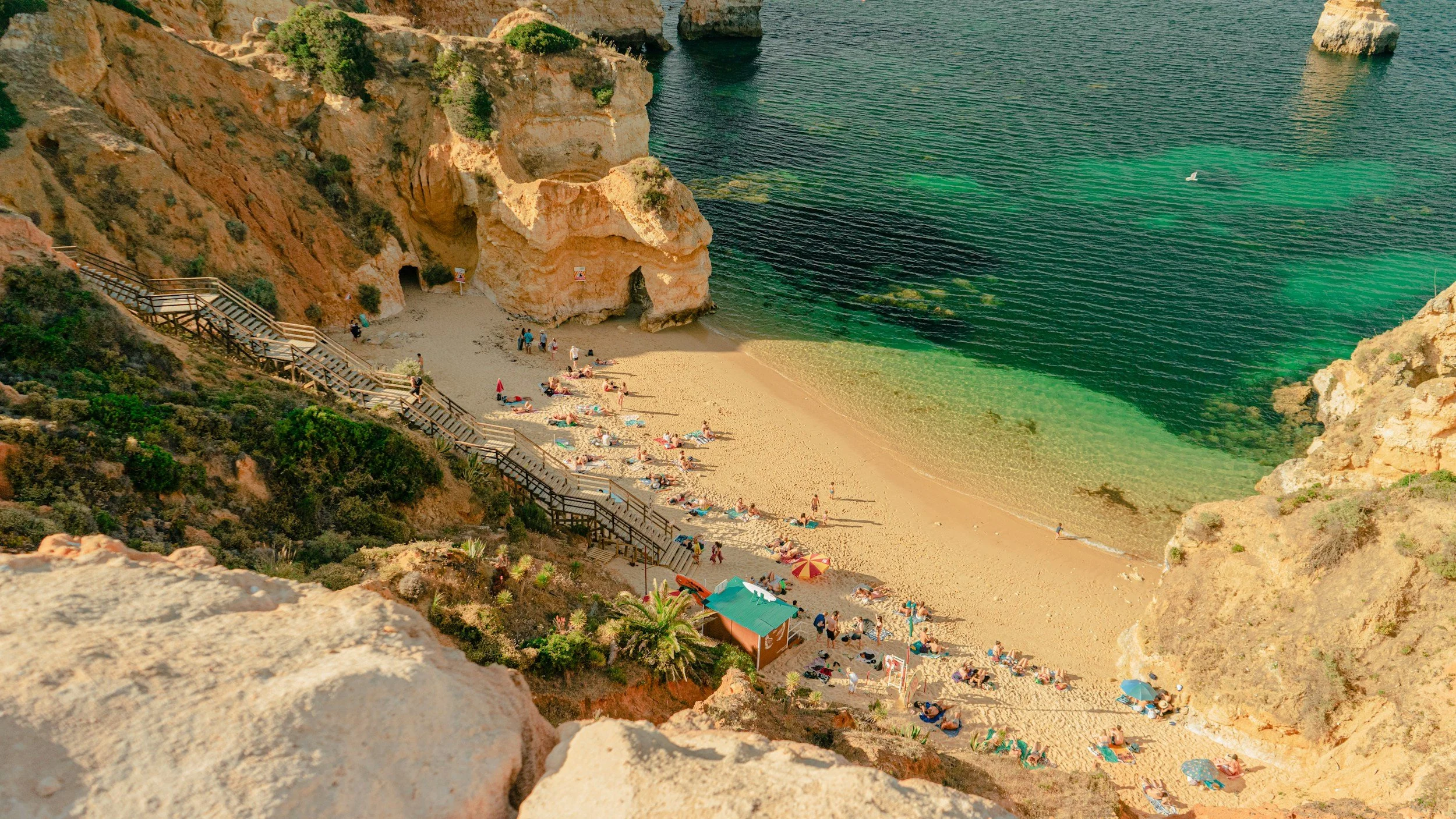
Days 8–10: Algarve
The Algarve is famous for its golden coastlines, dramatic cliffs, turquoise coves, and relaxed seaside atmosphere. After exploring Portugal’s cities and wine regions, these final three days offer the perfect blend of adventure and rest.
Day 8: Arrive in the Algarve
Travel south to the Algarve by flight into Faro or by train/car from Lisbon or Porto. Settle into your base in Lagos or Albufeira, two of the most convenient towns for first-time visitors.
What to Do:
Spend your first evening unwinding at one of the region’s iconic beaches, such as Praia Dona Ana or Praia do Camilo, both known for their dramatic cliffs and clear water.
Enjoy an easy coastal walk or simply relax and take in the sunset.
Day 9: Caves & Coastlines
Dedicate this day to exploring the Algarve’s most impressive natural highlights.
What to Do:
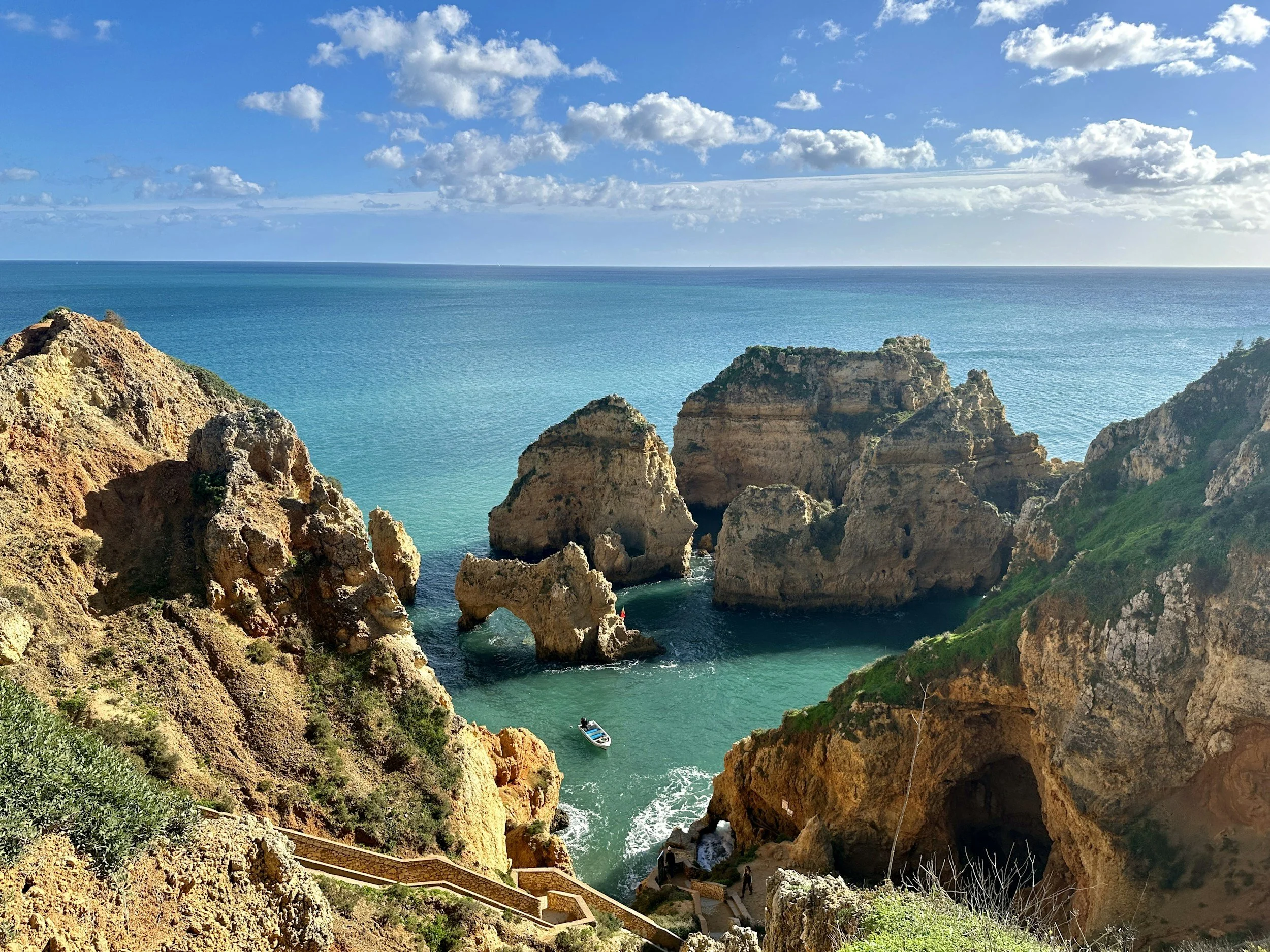
Benagil Cave — Visit by boat or kayak to see Portugal’s most iconic sea cave.
Ponta da Piedade — Wander the boardwalks for stunning cliffside views and photo spots.
Seven Hanging Valleys Trail — One of the Algarve’s most scenic coastal hikes, offering panoramic views of cliffs and coves.
Beach Hopping — Explore turquoise-water beaches like Praia da Marinha, Carvalho, or the smaller coves near Lagos.
Day 10: Relax & Return
Enjoy a slow final morning by the coast. Sleep in, visit a nearby beach one last time, or stroll through the town where you’re staying.
When You’re Ready:
Fly home directly from Faro, with easy connections through Lisbon or Porto, or
Extend your trip to explore more of Portugal’s breathtaking views and rich culture.
Optional Trip Extensions

Since you’re already in Portugal, why not continue your adventure with a little more exploration? These destinations are a great add on to the 10-day itinerary and offer experiences well worth the extra time.
Madeira
A dramatic island known for its lush levada trails, volcanic pools, and sweeping viewpoints. Ideal for nature lovers, hikers, and anyone drawn to rugged coastlines and subtropical landscapes. Direct flights from the mainland make it too easy to go.
Évora
Step into the heart of the Alentejo countryside, where Roman temples, medieval streets, and golden rolling hills create one of Portugal’s most atmospheric small cities. Perfect for travelers who enjoy history, wine, and a slower pace.
Coimbra
A romantic university town full of charm, home to one of the oldest universities in Europe. Its hilltop campus, riverfront setting, and historic alleyways make it a wonderful stop between Lisbon and Porto if you have want to add an extra day to explore.
Spend a Night in the Douro
If you’d like to slow things down, spending a night in the Douro offers peaceful mornings, vineyard views, and intimate wine experiences that are better spent when you don’t have to rush..
Ready to Plan your Trip to Portugal?
Your first trip to Portugal is one you’ll never forget. From the soulful streets of Lisbon and the historic charm of Porto to the terraced vineyards of the Douro Valley and the golden cliffs of the Algarve, this itinerary blends culture, beauty, and relaxation into one seamlessly enjoyable journey.
When you’re ready to begin planning your Portugal adventure—or want personalized support crafted around your travel style—I’m just a phone call away. Partnering with a travel advisor like me guarantees every detail is thoughtfully handled, so your trip feels seamless from beginning to end.