A Guide to Poland’s Christmas Markets
When someone tells me they want to do a European Christmas market trip, I usually already know what they're picturing. Germany. A wooden stall, a mug of glühwein, snow on a church spire. And honestly? Germany's wonderful. I'd never talk you out of it.
But not long ago, some clients came to me wanting something different. They didn't want Germany. They wanted Poland, specifically, for the Christmas markets. So I went down the rabbit hole for her, the way I do, and what I found surprised me enough that I built it into a full group trip. Now I find myself telling more and more people the same thing.
Poland has six Christmas markets worth building a whole trip around. And here's the thing. They're not interchangeable. One might be the most beautiful in Europe. One's the postcard everyone pictures. One sits right on the Baltic. One's been making gingerbread since the Middle Ages. And one runs an international ice sculpture festival right alongside it.
And every one of them still gives you the Christmas you came for. The glowing squares and the mulled wine. The smell of roasting chestnuts. And the best part is that you can have it all for less, with food you genuinely can't get anywhere else. Poland is more affordable than Germany or Austria, and you feel it in everything from the dinners to the hotels.
And that's exactly the case for going. You don't need to pick just one. String a few together and it becomes the Christmas vacation people ask you about for years.
A Little About a Polish Christmas
Before we get to the cities, it helps to know what you're walking into, because a Polish Christmas has its own rhythm, and it's part of what makes these markets feel different from the German ones.
The heart of it is Wigilia, Christmas Eve. That's the big night. Families sit down to a twelve-dish meal that traditionally starts the moment the first star appears in the sky, and there's always an extra place set at the table for an unexpected guest. It's a lovely tradition, and it tells you a lot about how Polish families treat this season.
You'll also notice that December 6 is its own small event. That's Mikołajki, St. Nicholas Day, when children wake up to a little gift, and it gives the markets an extra buzz. My 2027 Poland Christmas Markets group trip actually spans this, so it will be a real treat to see.
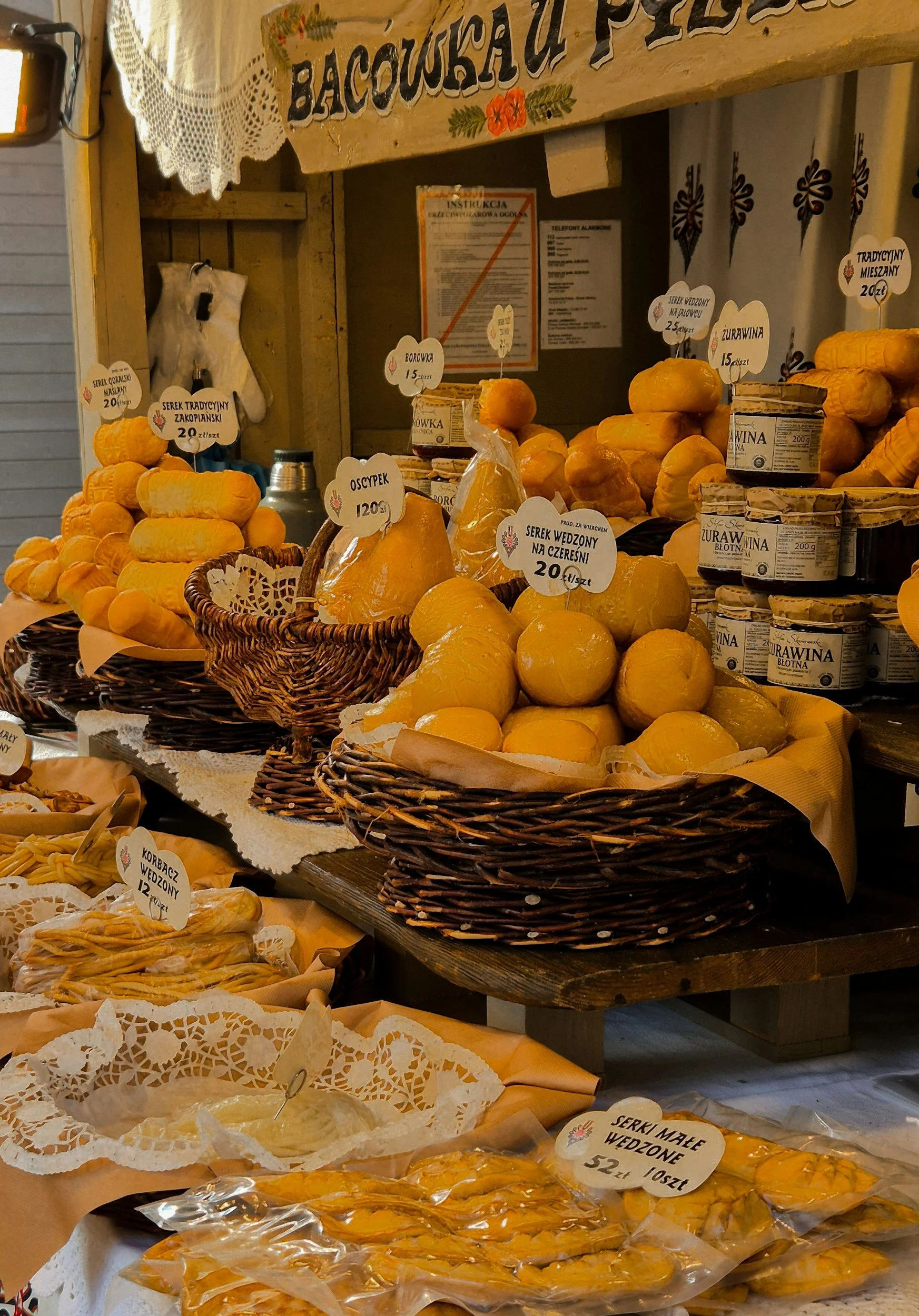
And then there's the food. This is not the bratwurst-and-stollen circuit. You'll find oscypek, a smoked sheep's-milk cheese from the Tatra Mountains, grilled and served with a spoon of cranberry jam. Pierogi. Bigos, a rich hunter's stew. Potato pancakes. Grilled kiełbasa. And grzane wino, the Polish take on mulled wine, to keep your hands warm. I’m telling people to go hungry and skip the big sit-down dinner. The market is dinner.
The Six Cities
Wrocław: The Most Beautiful
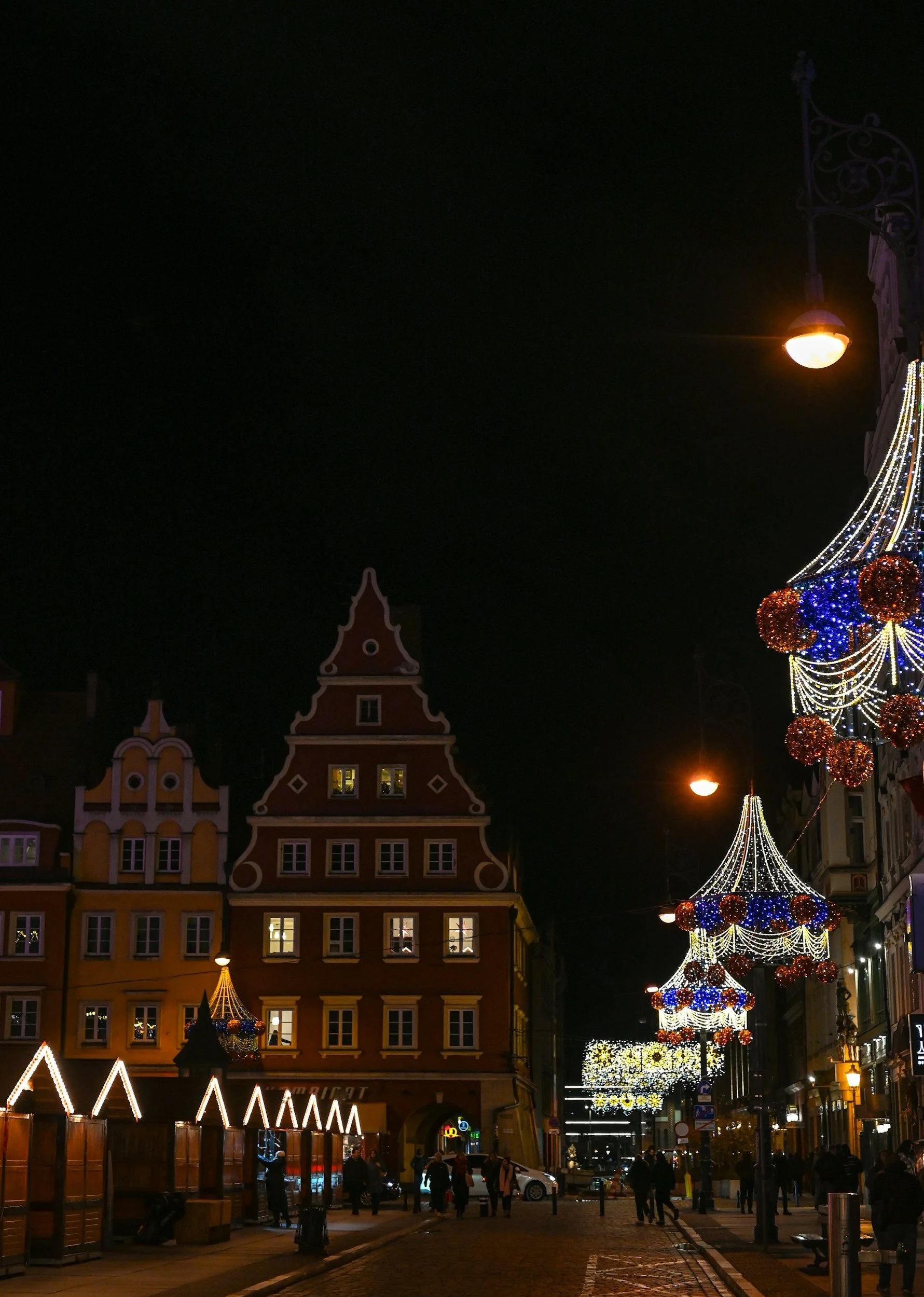
Wrocław's market spreads across four connected spaces: the Market Square, Salt Square, and two adjoining streets, all set in a center full of candy-colored merchant houses. It's the one that keeps coming up as one of the most beautiful in Europe; it opens earliest, and it runs longest. If you love a market for the atmosphere as much as the shopping, this is the one that stays with you.
Tip: Come with room in your suitcase. This corner of Poland is known for Bolesławiec pottery, the hand-stamped blue-and-white stoneware. The stalls are full of glass ornaments, wool slippers, sheepskin, and beeswax candles. Half the fun is wandering and finding something you weren't even looking for.
Kraków: The Postcard
The market sits on Rynek Główny, one of the largest medieval squares in Europe, ringed by the Cloth Hall and St. Mary's Basilica. It's the image everyone already has in their head, and it's busy to match. The thing that's pure Kraków is the szopki, the nativity scenes. These aren't simple mangers. They're tall, glittering models built to look like Kraków's own churches and towers, and the tradition is distinctive enough that UNESCO lists it. Every December they're judged in a contest on the main square, then they move to an exhibition at the Museum of Kraków that runs deep into winter, which is when most people see them. Kraków also runs one of the longest markets, straight through New Year's, so it's still going when the others have packed up.
Tip: Save real time for the market on the main square. It's iconic for a reason. And duck into the Museum of Kraków to see the szopki up close, they're small works of art. The Wieliczka Salt Mine just outside town is worth the half day too, a whole underground world of chapels carved from salt.
Gdańsk: The One on the Coast
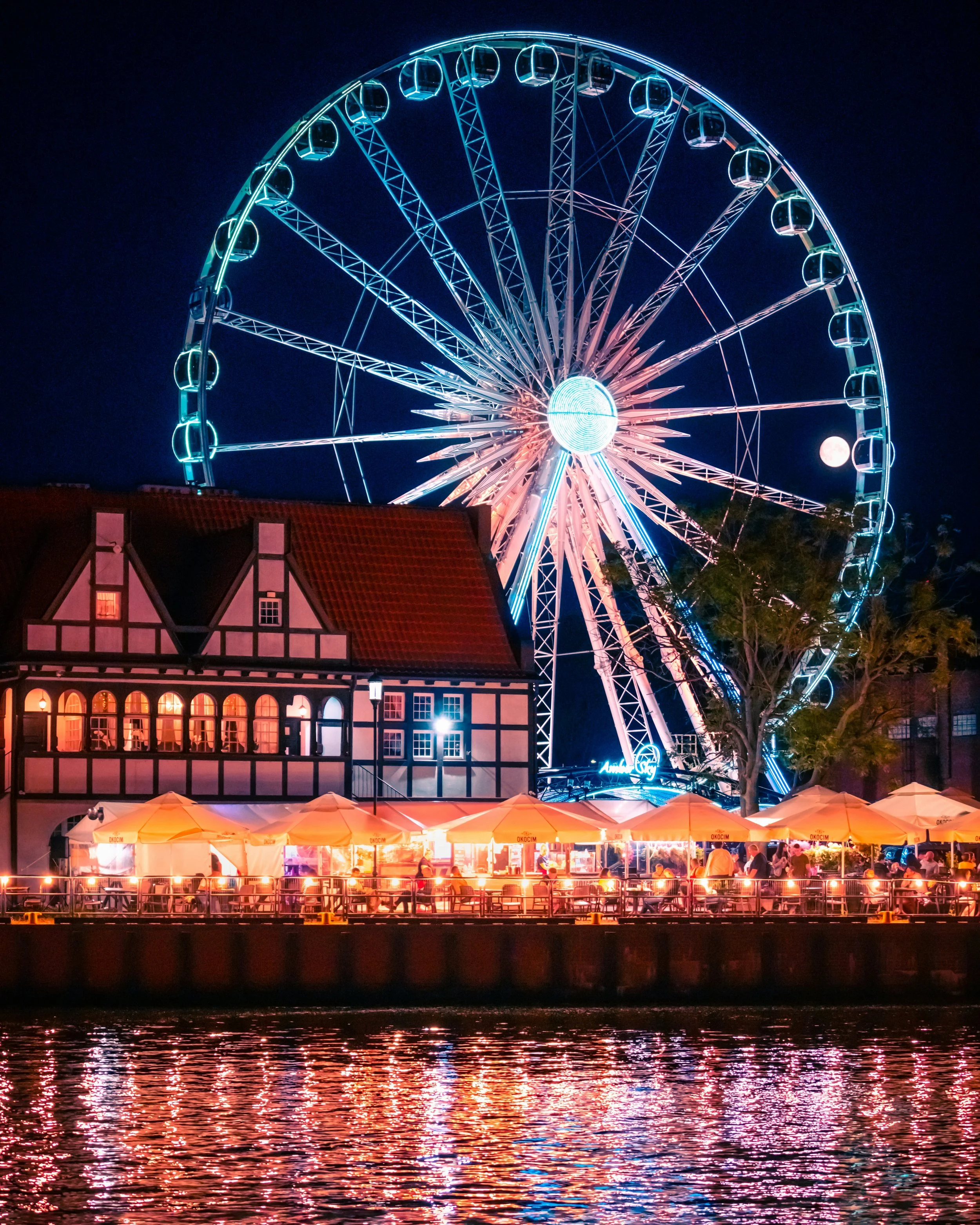
This Baltic port runs its market down the Długi Targ, the Long Market, beneath the tall gilded facades of the old Hanseatic town. Over on Granary Island there's a Venetian carousel, an ice rink, and a Ferris wheel. It's the one that looks nothing like the others. Gdańsk is also the amber capital. This is real Baltic amber, from a coast that's traded it for a thousand years, not the resin imitations you'll see sold inland.
Tip: Amber is what you bring home from here, the real Baltic stone in warm cognac and cherry tones. The specialist shops are where the good pieces are. And leave time for Malbork Castle nearby, one of the largest brick castles in the world and pure Teutonic drama.
Warsaw: The City Outshines the Market
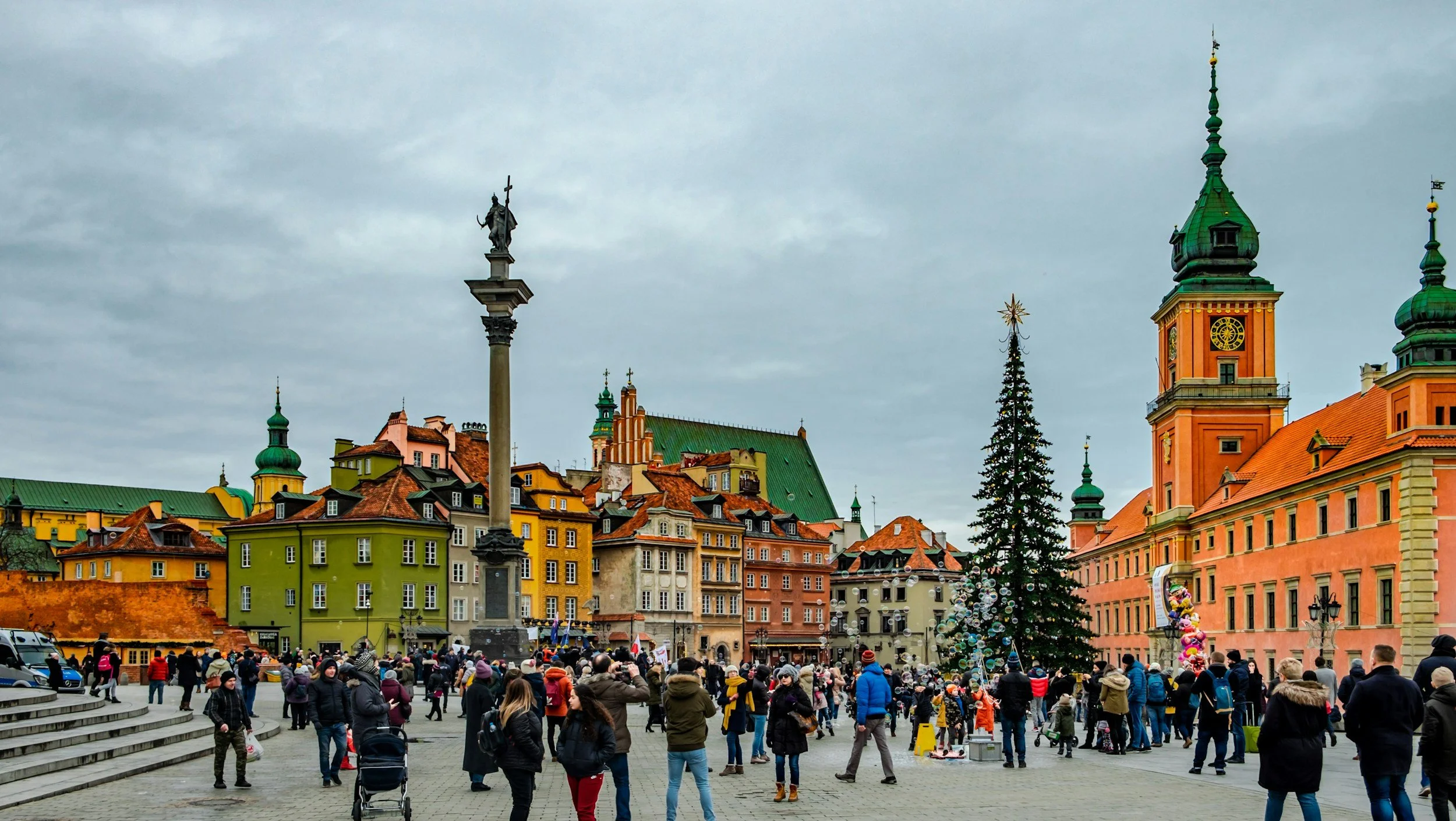
Warsaw runs several markets rather than one, the main one filling the Old Town Market Square. I'll be honest with you, the markets themselves aren't the headline act. The city in December is. The Old Town was rebuilt brick by brick after the war, painstakingly, from old paintings and photographs, and it's now a UNESCO site. And the Royal Route lights up with some of the most elaborate Christmas illuminations in Europe, running from Castle Square down through the center.
Tip: Warsaw is Chopin's city, and December is a lovely time to hear him. A live piano recital where he grew up is worth building an evening around.
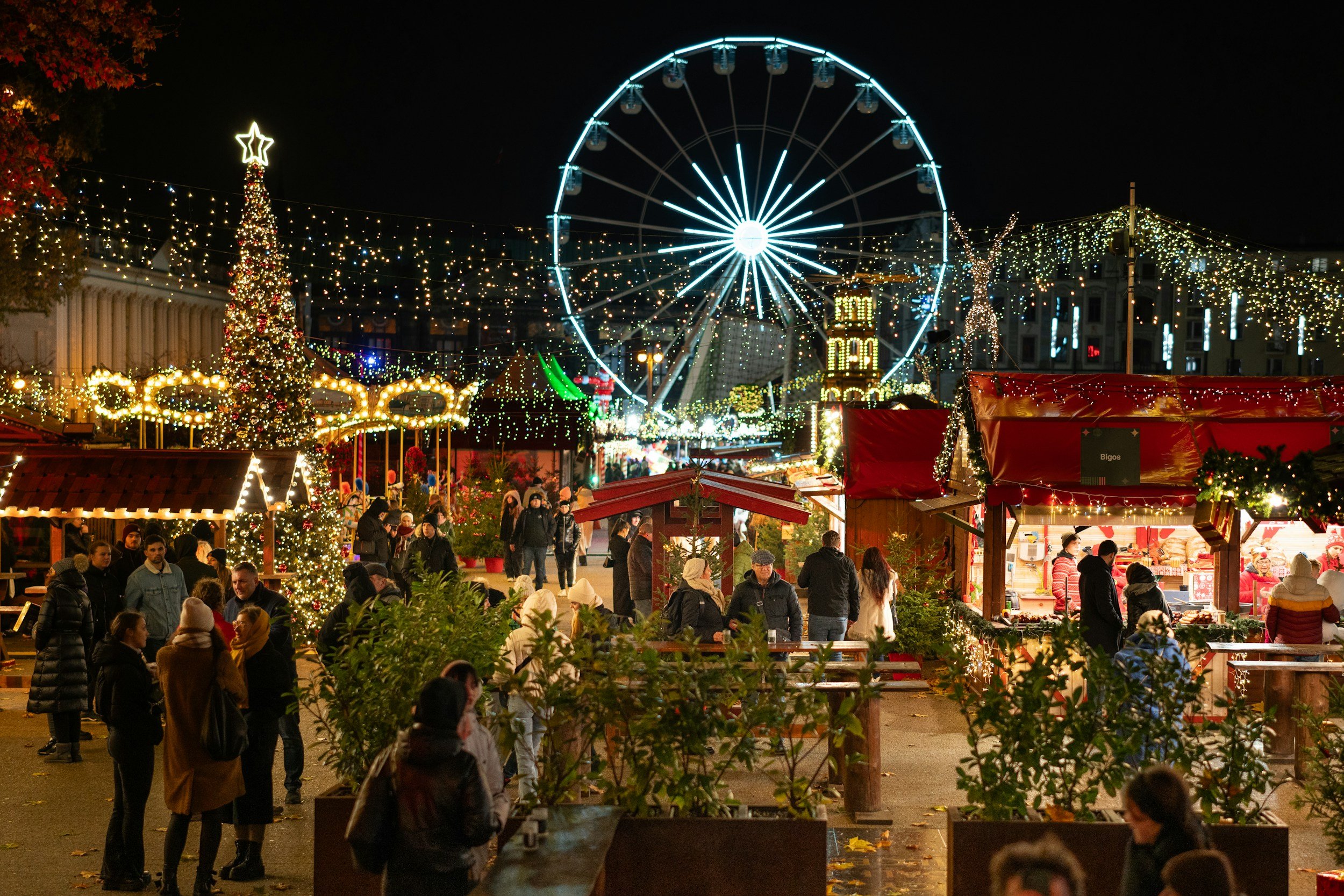
Toruń: Gingerbread, Done Right
Toruń has been making pierniki, gingerbread, since the Middle Ages, and takes it seriously enough to have a museum where you press and bake your own by hand. Its Gothic old town came through the war almost untouched, one of the few in Poland that did, which earned it a UNESCO listing. Small, walkable, riverside, and the one almost nobody back home has been to.
Tip: This is the one nobody expects, and everybody ends up loving. Walk the Gothic streets where Copernicus was born, then follow your nose to the gingerbread. Don't leave without a box of Katarzynki, the honey-and-spice ones the town has baked for centuries.
Poznań: The Ice Sculptures
Poznań's Betlejem Poznańskie runs on and around the Old Market Square, one of the prettiest in the country, lined with candy-colored merchant houses. The draw is the international ice sculpture festival, artists carving huge blocks right there in the cold, and it's exactly as good as it sounds. There are two only-in-Poznań things to catch while you're there. At noon, a pair of mechanical goats pop out on the town hall and butt heads, a ritual tied to a centuries-old local legend. And this is the home of the rogal świętomarciński, the St. Martin's croissant, a rich almond-and-poppyseed pastry so specific to the city that it's protected by name.
Tip: Be in the square right at noon. The goats are over in about a minute, so you don't want to be off getting a coffee when it happens. And when you buy a St. Martin's croissant, look for a bakery with the official certificate. That's how you know it's the real, protected recipe and not just a lookalike.
When the Markets Actually Run
Most Polish markets open around November 20 and close somewhere between December 22 and early January. Wrocław opens earliest and runs longest. Gdańsk and Toruń close before Christmas, which catches people out every single year. Kraków and Warsaw run on into January.
My 2027 group trip is built around all of this, timed so every stop lands while the markets are up and glowing. You don't have to track a single date. The full itinerary is on the trip page, and there's more to come as we get closer to next winter.
If you already have a trip planned, or you're putting together a last-minute Poland markets trip of your own for this year, here's where the 2026 dates stand as I write this, in mid-September:
Wrocław: November 20, 2026 to January 7, 2027
Gdańsk: November 20 to December 23, 2026
Poznań, Old Market Square: November 21, 2026 to January 6, 2027
Kraków: opens around November 27, 2026, runs through January 1, 2027
Toruń: opens around November 21, 2026, closes just before Christmas
Warsaw: late November 2026 into early January 2027
Polish cities announce and adjust these dates through September and October, so Kraków, Toruń and Warsaw aren't locked in yet. Always re-check before you book flights around a specific date. Better yet, I can keep you updated if you’re interested!
How Long to Plan For
Maybe the group trip isn't for you and you'd rather put this together yourself. That's completely fair, and it's very doable. Here's how I'd shape it.
The sweet spot is the first ten days of December. Late November catches some stalls still setting up. The week before Christmas is when the markets are the busiest. Remember that several close on the 22nd or 23rd.
Give it a good week to ten days if you want to string a few of these cities together. The trains between them are fast and cheap, and the distances are reasonable. Two nights per city is the right rhythm. One evening at the market, one full day for the city itself.
And dress for it. Daytime highs hover around freezing, and it's dark by four in the afternoon, which is exactly when the markets look their best. Warm layers you can add and shed are the difference between a December evening outdoors you enjoy and one you just endure.
Things You Might Be Wondering
Where should I stay? Inside the old town, every time, within walking distance of the square. Polish city centers are compact, and the markets run until 9 pm. You want to walk back to your hotel in ten minutes with cold hands, not hunt for a taxi. Book as early as you can. As early as a year in advance, and no later than spring. The good central hotels in Wrocław and Kraków go first.
Do I need to speak Polish? No. English is widely spoken in all six cities. Learning how to say thank you (dziękuję) might get you a warm smile, though.
How cold is it, really? Highs around freezing, colder at night. That's not a reason to skip it. It's a reason to bring a proper coat and waterproof boots with grip. Cobblestones and sleet are a bad combination.
Can I do it as a river cruise? Not really. Poland's rivers aren't set up for it. If that's the format you're after, it means the Danube or the Rhine instead, and I'm happy to walk you through those. I've written about Europe's most scenic river cruise routes too.
Is it doable with limited mobility? Honestly, it's mixed. The old towns are cobbled, and the markets involve a lot of standing. It's very doable with some planning, central hotels, shorter evenings, taxis between squares, but it's worth a conversation first rather than a surprise when you land.
When Germany or France Is the Better Call
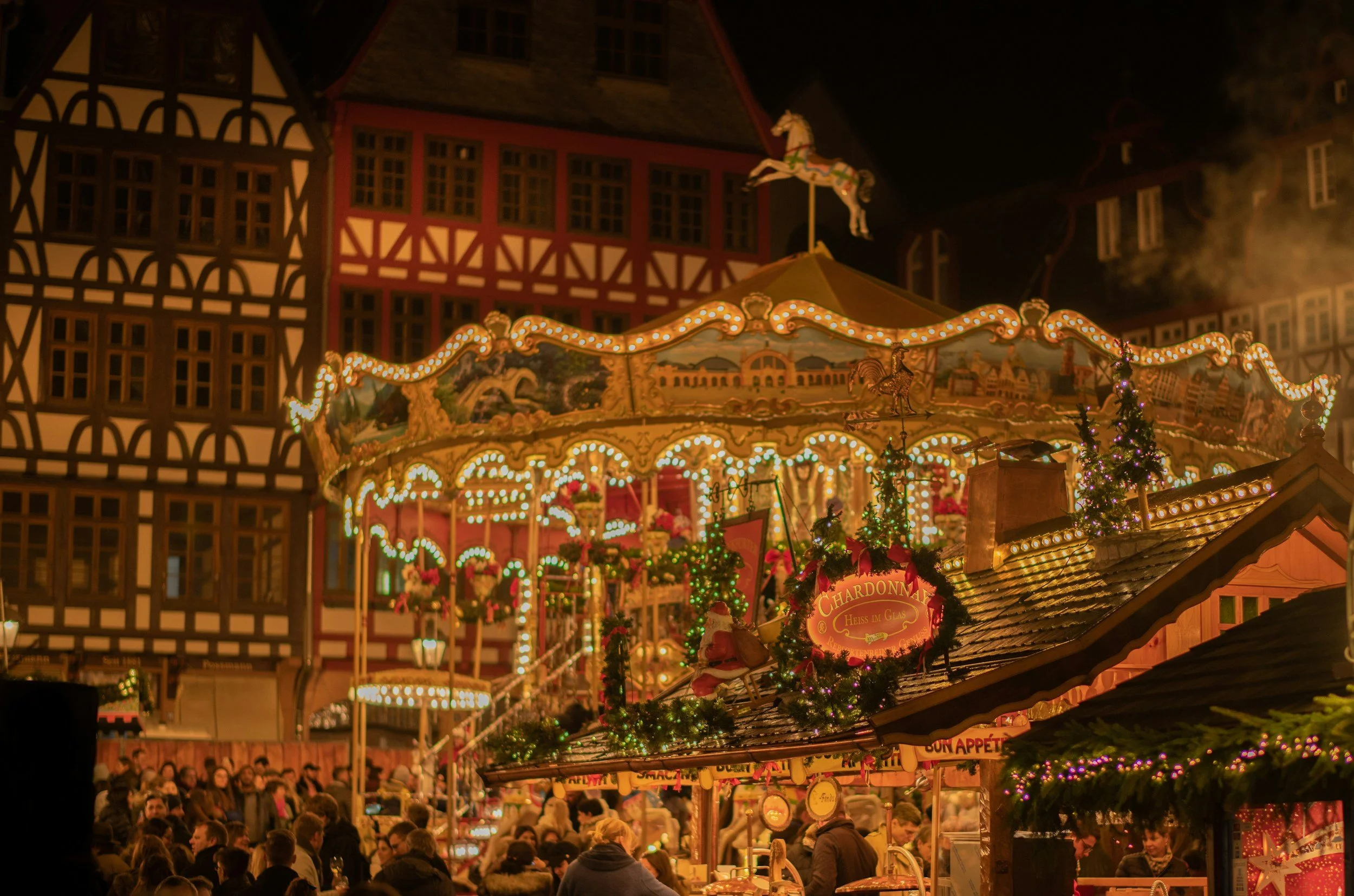
In some ways, Germany, Austria, and France are the easier trips. The Rhine and Danube cities sit closer together, the flight connections from the US are simpler, and you can string several markets together with less time on the train between them.
And if you've had your heart set on the Nuremberg Christkindlesmarkt for thirty years, or the Alsace markets in Strasbourg and Colmar, go. They’re famous for a reason.
But Poland is the one most people sleep on. And that's exactly what makes it worth doing. Food you genuinely can't find anywhere else, cities your friends haven't already been to, and that quiet thrill of being early to something the rest of the world is only starting to catch on to. That's the trip I'd send you on.
Consider It Wrapped!
If you've read this far, some part of you is already going. So let me make the rest easy.
Six cities, six hotels, a stack of train tickets, and dates that shift on you. It's a lot to line up on your own. It's exactly what those first clients came to me for, and it's why I turned it into a group trip. You get a Local Specialist in every city, the sightseeing built in, and all the logistics handled. And if you want them, there are optional add-ons I can set up for you, like Malbork Castle near Gdańsk and the Wieliczka Salt Mine outside Kraków. All you have to do is show up and enjoy it. You can see the current itinerary and dates here.
Either way, whether you come with the group or plan your own, I'd love to help you think it through. Which city suits you, when to go, how to string them together. That's the part I love most.