A Trip to Australia and New Zealand: If Not Now, When?
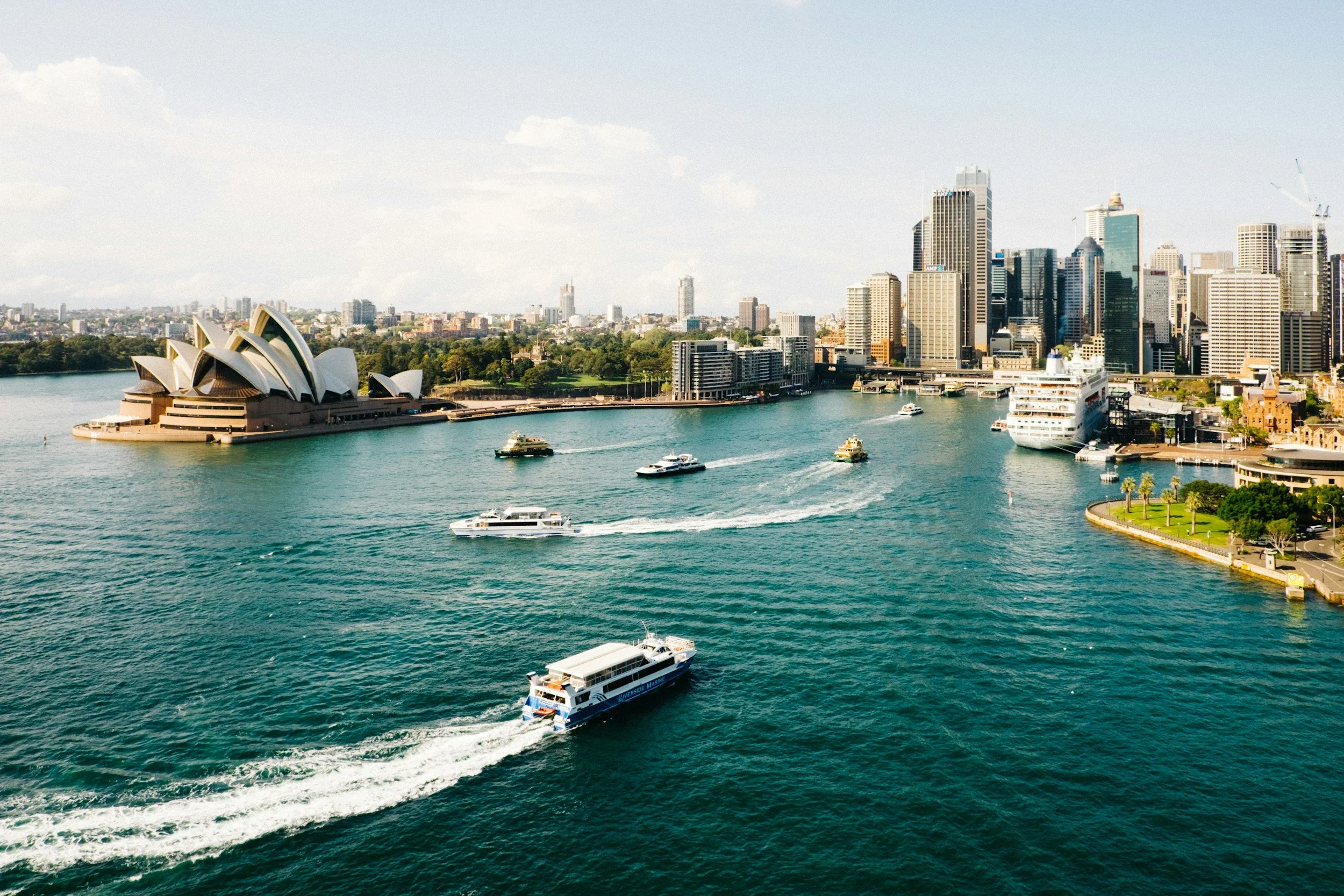
"If you don't do it now, when will you do it?" It's a question I ask my clients all the time — usually about the one trip they've been dreaming of for years and keep pushing to "someday." And more often than not, that dream trip is Australia and New Zealand.
I understand the hesitation. This is a bigger trip than most, and it comes with real friction that a long weekend in Florida just doesn't. It's a long way to fly. You have to take more time off than a typical one-week vacation, because once you've gone all that way, you really want to be there long enough to make the journey worth it.
There's the cost of the airfare, and the puzzle of coordinating two countries. It's the kind of trip that takes real planning. That's often exactly how it ends up on the someday list, right at the top, year after year.
Here's the thing, though. I've watched a lot of people take this trip, and almost none of them come back wishing they'd waited longer. So let's talk honestly about what's really holding you back, and how to make it easier than it looks.
The Airfare Isn't Getting Cheaper

Let’s get straight to the thing everyone's thinking about. Yes, it's a long flight, and no, it isn't cheap. But here's what I tell people: that airfare is not going to get cheaper. If you're waiting for the fare to drop before you book, you may be waiting the rest of your life.
The numbers back this up. Airfares have climbed sharply over the past year, and for years now they've steadily outpaced inflation. "Someday when it's cheaper" is a day that, frankly, doesn't tend to come.
So I'd encourage you to think about it differently. The airfare is the price of admission to a trip you'll talk about for the rest of your life. It's one big cost, paid once, for something most people only do one time. When you look at it that way, it starts to feel a lot more reasonable.
And there are ways to soften it. Being flexible on your departure city can help, since the West Coast gateways often price better than smaller airports. So can traveling in shoulder season instead of the absolute peak. None of it makes the flight free, but it does mean the number you're bracing for isn't always the number you'll pay.
What Does a Trip to Australia and New Zealand Really Cost?
Let's stay on money for a minute, because I find that a lot of the hesitation isn't really about the flight. It's the fear of a total that nobody's put a shape around yet. So let me shape it.
Your airfare is the single biggest line item, and it's the one that feels scariest because you pay it up front and separately. Everything after that falls into a few buckets: where you sleep each night, how you get between places, what you eat, and what you actually do once you're there. That last one matters more here than almost anywhere else, because the reason you're going is the experiences — the reef, the fjords, the vineyards, the day you spend somewhere you've only ever seen in photos.
When people book this trip piecemeal, they're buying each of those separately, in a currency they don't think in, from companies they've never heard of, and hoping it all connects. When they book it as a tour or a cruise, they're buying those same pieces bundled together at a price that's known before they leave. Your hotel or cabin, your transportation between destinations, most of your meals, and a slate of included excursions all live inside one number. That's the real difference. You're not just buying a lower price. You're buying certainty, and someone else absorbing the risk if a connection falls apart.
This is exactly why so many of my clients end up seeing both countries by ship. An Australia and New Zealand cruise takes the hardest part of this trip — the coordinating, the internal flights, the driving on the left, the packing and repacking — and quietly handles all of it. You unpack once. The ship moves while you sleep. You wake up somewhere new instead of at another rental car counter.
Here's the honest part. This is not a budget trip, and I'd never sell it to you as one. But it's also not the bottomless expense people imagine when they've never priced it out. It's a significant, once-in-a-lifetime trip that rewards every dollar. And the biggest financial mistake I see isn't overspending. It's flying all that way and not staying long enough to make the airfare worth it.
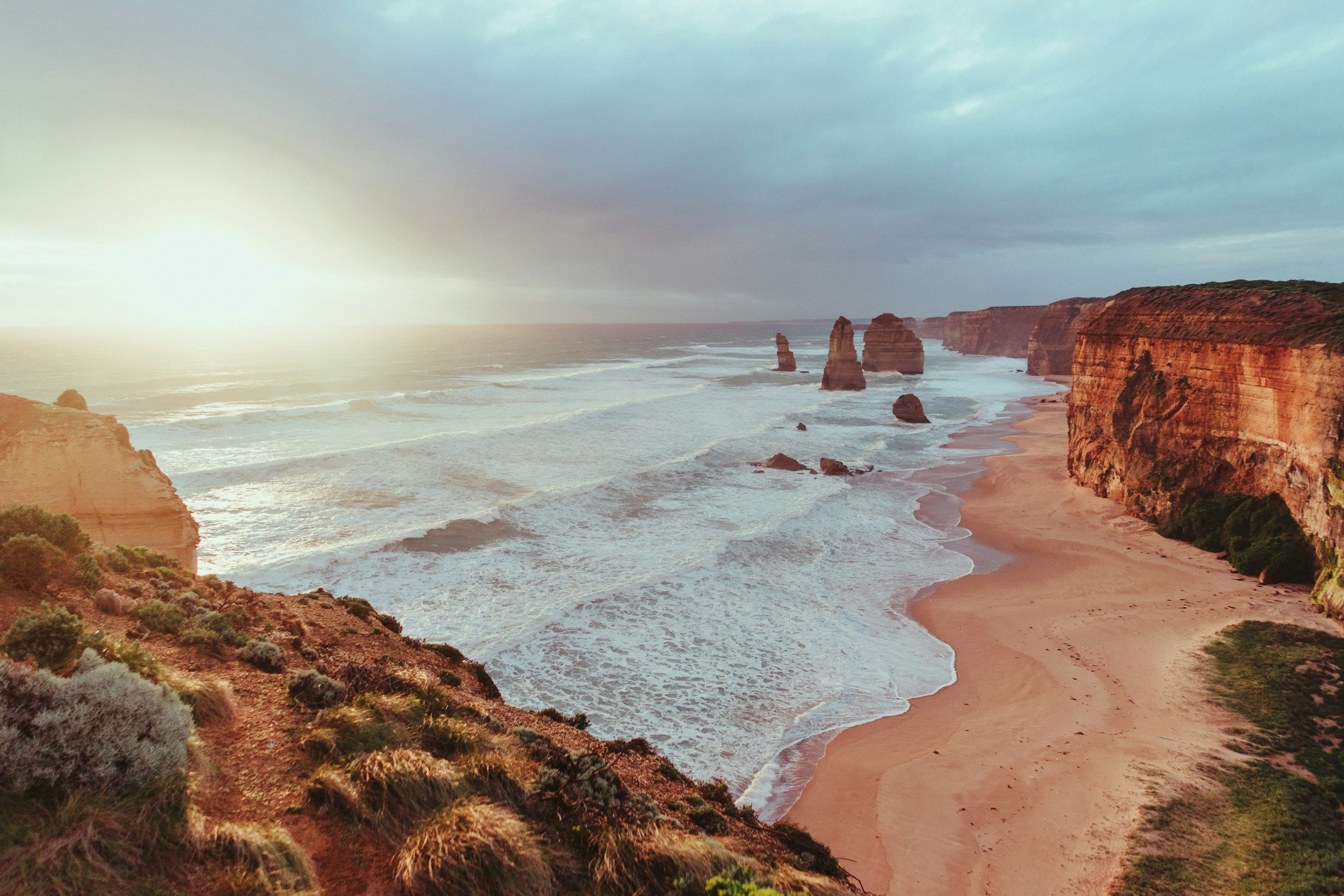
The Best Time to Visit Australia and New Zealand
The first thing to wrap your head around is that the seasons are flipped from ours. Summer runs December through February, autumn is March to May, winter is June through August, and spring is September to November. So when it's grey and miserable here in January, it's warm and golden down there.
For most travelers, the sweet spots are the shoulder seasons — roughly October and November, or March and April. You get comfortable weather, thinner crowds, and better value than you'd find at the height of summer. Peak season, December through February, delivers exactly the long warm days and beach weather people picture, but it's also when school holidays hit and prices climb. And their winter has its own quiet appeal, especially in New Zealand, where the mountains are the whole point.
There's no wrong season here, only trade-offs. Matching the timing to what you actually want out of the trip is one of the first things we'll sort out together.
How Long Should You Spend in Australia and New Zealand?
Please don't fly all that way for a week. I'll say it as plainly as I can.
As I mentioned, your airfare is going to be the highest cost of this trip. So the smartest thing you can do is stay long enough to make every mile count. Two weeks is what I'd call the comfortable minimum for seeing both countries — that gives you roughly twelve days on the ground once you account for the flying and the day you lose crossing the date line, which is enough for a real taste of each place without feeling like you're speed-dating them.
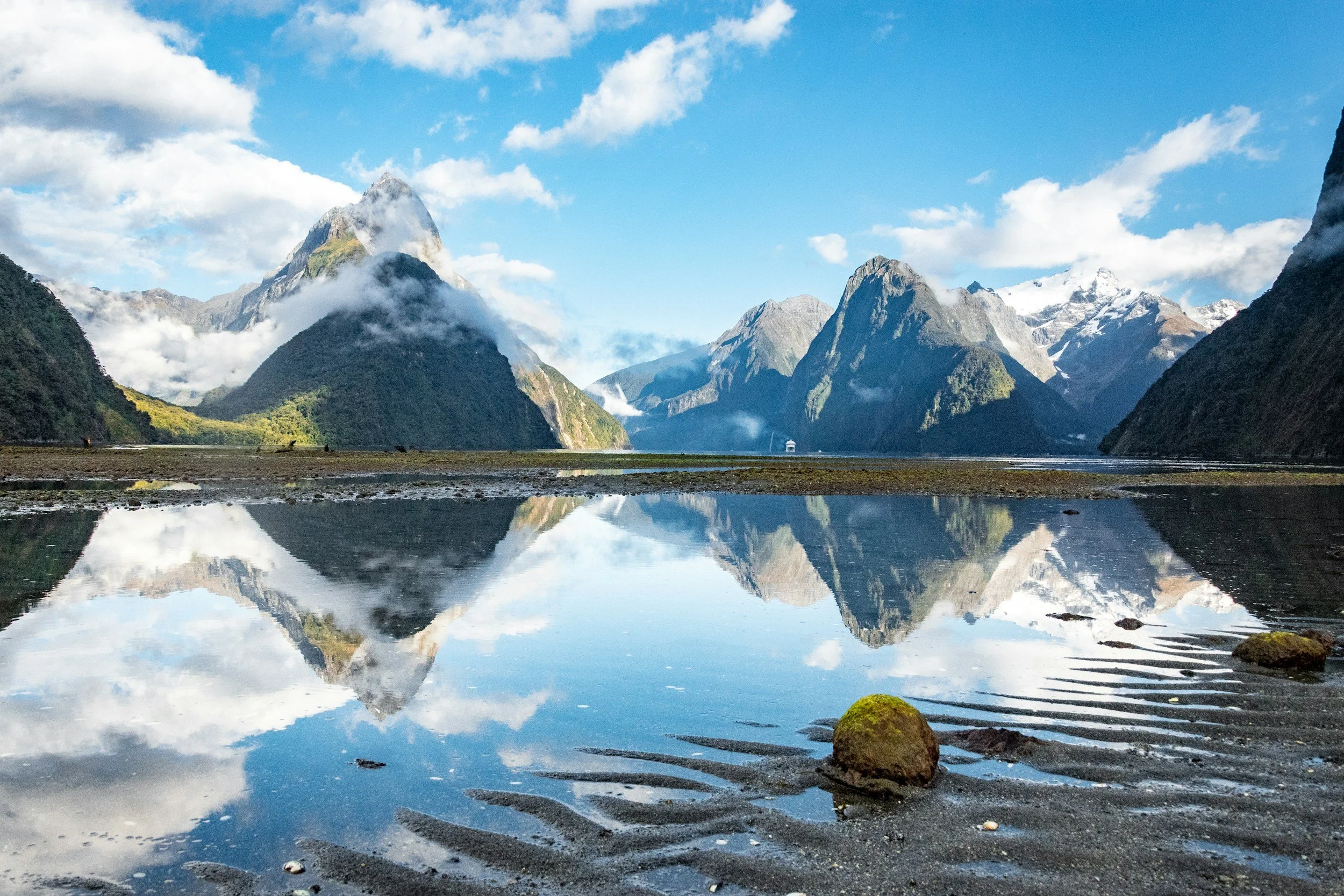
Three weeks is where a trip to Australia and New Zealand really opens up. It's the difference between seeing Milford Sound on a schedule and spending a slow, unplanned day in a town you liked enough to stay in. You get unhurried mornings, room for the day trip you didn't plan, and time to recover from the flight before you're expected to enjoy yourself.
I know three weeks off is a real hurdle. Most of us don't have that kind of time sitting around, and it's part of why this trip keeps getting pushed to someday. But this is exactly the trip worth spending your saved-up vacation days on, and booking well ahead gives you months to arrange the time rather than trying to carve it out last minute.
If two weeks is what you have to work with, a tour package is worth it. A well-structured itinerary makes those days go further than you'd expect.

How to Handle the Long Flight to Australia and New Zealand
Let's talk about the flight itself, because it's the hurdle that stops the most people, and it's genuinely more manageable than it sounds.
Start with your seat, because on a flight this long, where you sit changes everything. If premium economy or a lie-flat seat is anywhere within reach, this is the trip to spend on it. And even in economy, choosing thoughtfully matters more than usual — aisle if you know you'll want to get up and move, window if you'd rather lean against something and sleep. I'd steer you away from the very back of the cabin and anything near the galleys or lavatories, where the light and foot traffic never really stop.
Then consider breaking up the journey. A lot of routes let you add a stop along the way, whether that's a couple of days in Fiji or Tahiti or simply a night on the West Coast before the long leg. It turns one punishing haul into two very doable ones, and you get a bonus destination out of it. Some of my clients end up loving the stopover as much as the trip itself.
Pack for sleep, not for entertainment. The single best thing you can bring is a proper neck pillow. Not the flat horseshoe kind, but one that actually supports your head so it isn't dropping every twenty minutes. Add a real eye mask that blocks light completely, and either noise-canceling headphones or good earplugs. Compression socks are worth it on a flight this long, both for comfort and for circulation. And dress like you're going to sleep: soft layers you can add or shed, because cabins run cold at altitude, and shoes you can slip off easily since your feet will swell.
Then go in with a plan for sleep. Set your watch to destination time when you board and start thinking in that time zone right away. Now, I can't tell you to just fall asleep. Nobody can do that on command, but you can stop working against it. Dim the screen, skip the movie marathon, and let yourself rest during what will be nighttime where you're going. Even lying there with your eyes closed does more for you than another episode.
A few things that make that easier: eat lightly, because a heavy meal makes rest harder. Skip the alcohol, or at least go easy. It may feel like it helps, but it reliably wrecks the quality of your sleep.
This may seem counterproductive, but drink far more water than feels necessary. Cabin air is extremely dry and dehydration is half of what makes you feel terrible on arrival. And most importantly, get up and walk the aisle every few hours whenever the seatbelt sign is off. If you've ever used something to help you sleep, this is a flight that might be worth talking to your doctor about beforehand.
The flight is long enough that you can actually arrive rested if you use it well!

Jet Lag and the International Date Line
One quirk of this trip surprises almost every first-timer. You'll cross the International Date Line on the way over, which means you essentially lose a day. Leave Los Angeles on a Monday night and you'll land in Sydney on Wednesday morning. Tuesday just disappears. You get it back coming home, where you can leave in the morning and arrive the same morning you left, which definitely feels strange.
This matters more than it sounds when you're planning. People book their first hotel night for the wrong date more often than you'd think, or count their vacation days without accounting for the day that vanishes. It's the sort of thing I catch for my clients all the time, but it's worth knowing about even if you're planning on your own.
The jet lag itself is real, and for this trip, the flight home is usually the harder one. Flying west on the way over stretches your day out, which your body handles fine. Flying east coming home shortens it, and asking yourself to fall asleep earlier is the thing bodies resist most. Plan a soft landing when you get back, rather than heading straight into a Monday morning.
The fastest way through it is daylight. Get outside as soon as you can after you arrive, even if you're exhausted, because sunlight is what actually resets your body clock. I always recommend that you stay awake until a normal local bedtime, even if that means pushing through a rough late afternoon. A short nap is fine if you're truly struggling, but keep it to twenty or thirty minutes and set an alarm. A three-hour nap at 4pm will undo everything and leave you wide awake at two in the morning.
Do that, and most people shake the worst of it within a day or two. Fight it, and it'll trail you around for half your trip.
A Few Things That Surprise First-Time Visitors
A handful of small things catch people off guard down there. None of them are hard. They're just different enough to be worth knowing before you go, so they delight you instead of tripping you up.
They drive on the left. If you're renting a car, give yourself grace for the first day. It's more mental effort than you expect, especially at roundabouts and when you're turning across traffic. Most people adjust faster than they fear, but that first hour is genuinely humbling.
The distances are bigger than they look. Australia is roughly the size of the continental United States, so you don't casually pop from Sydney over to Perth the way the map might suggest. New Zealand is more compact, but the winding roads mean the drive always takes longer than the mileage implies.
Tipping isn't the expectation it is here. Service staff don’t rely on tips. It's always appreciated, but genuinely optional. You'll see it more in upscale restaurants and the bigger cities than anywhere else.
The wildlife lives up to the hype. You really will see kangaroos and wallabies out in the world, not just at a zoo. Keep your eyes open at dusk, and take the warnings about wildlife on the roads seriously if you're driving.
People are genuinely friendly. Not in a performative, service-industry way. Strangers will strike up real conversations with you, and it's one of the best parts of traveling there.
If Not Now, When?
The trouble with someday is that it never actually shows up on the calendar. Unfortunately, the airfare won't drop, and life won't get less busy. The only thing that changes while you wait is how many more years come between you and this trip.
And if you're not sure where to start, that's completely understandable. It's also the easiest part of all of this to solve. Figuring out the route, the timing, the pieces that fit together, the version of this trip that actually suits how you like to travel — that's what a travel advisor is for, and it's the part I love most. You bring the dream. I'll handle the thousand small decisions underneath it.
If you've read this far, some part of you is already halfway there. Maybe this is the first step towards taking it off the list. And if you'd like to see both countries by ship, I'd start here.
And when you're ready, let's chat so you can just go!